Central El Paso

Central El Paso

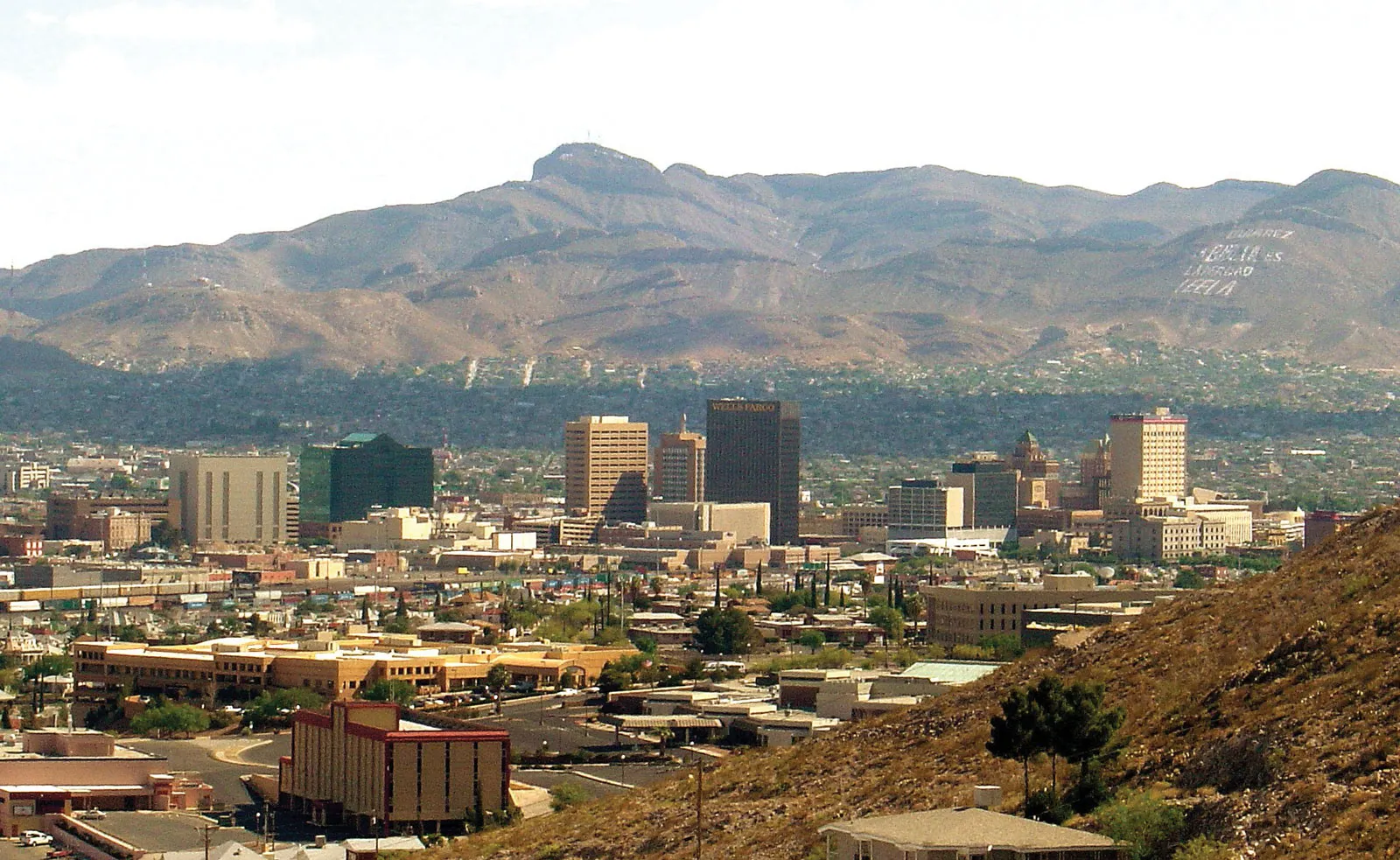
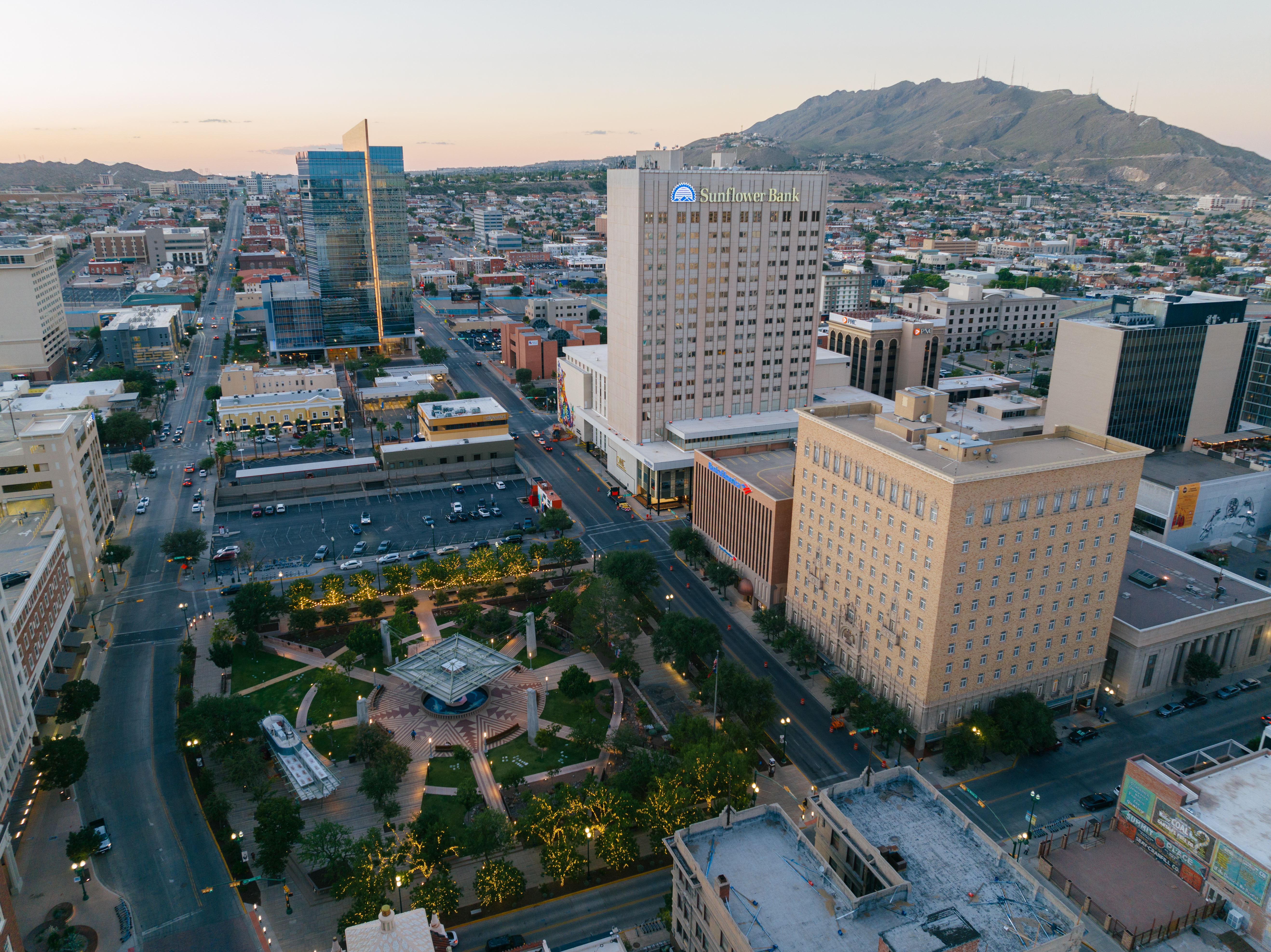
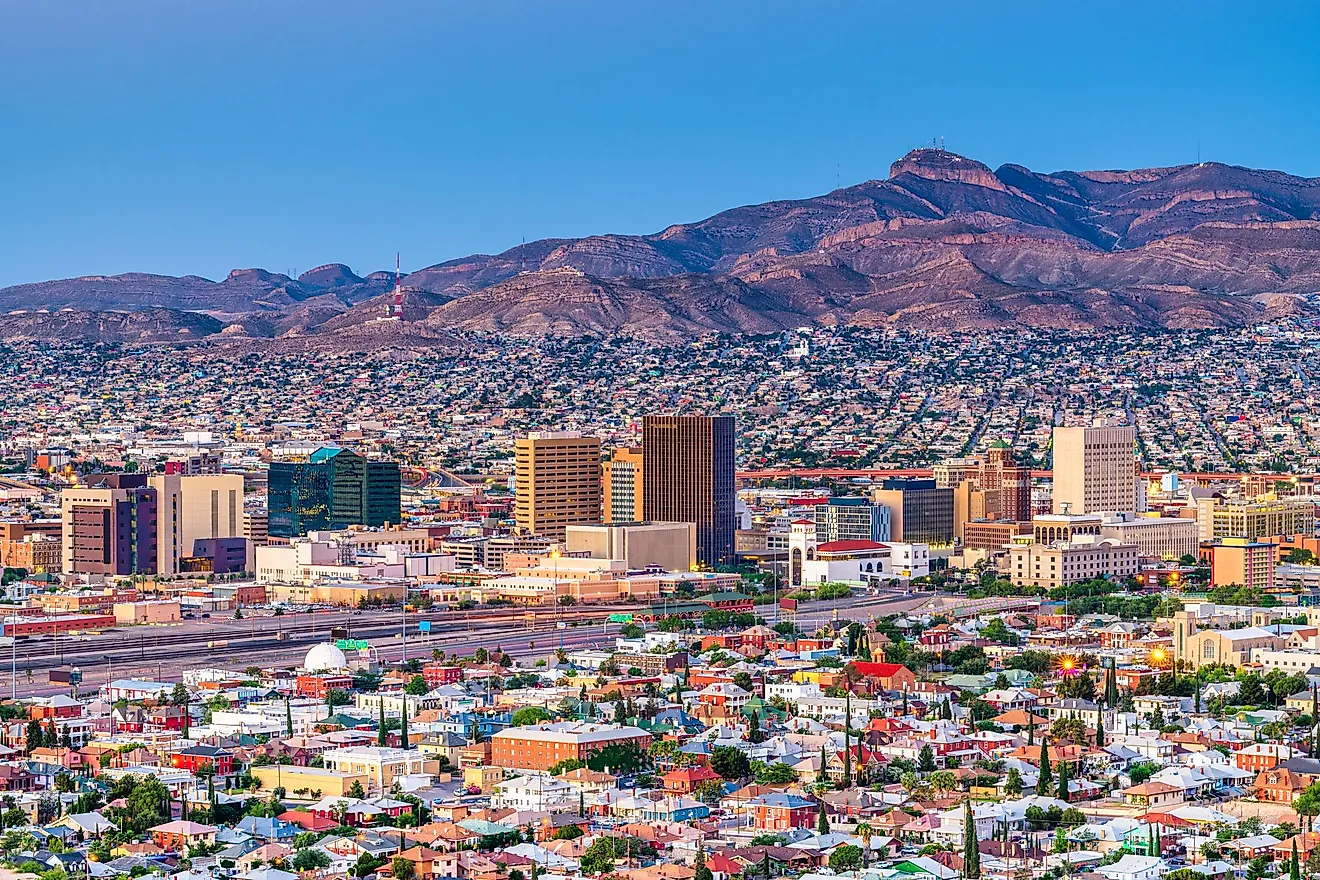
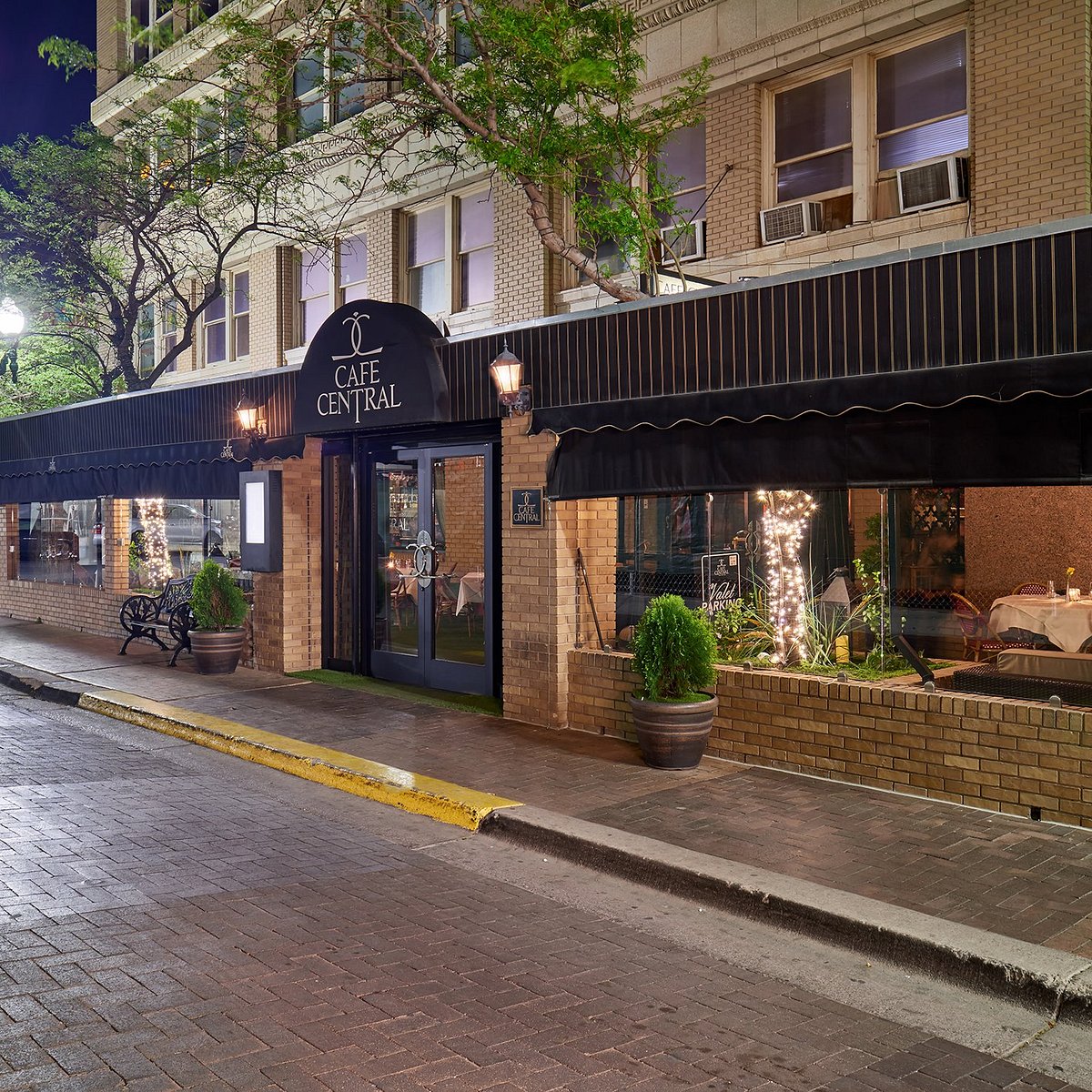
Central El Paso is the oldest built-out part of the city, a grid of pre-war and mid-century buildings along Alameda Avenue, Piedras Street, and the Five Points intersection. Investors come here for cash flow that already exists, not for growth that hasn't happened yet. The tradeoff is a building stock that is decades older than anything in the east or northwest submarkets, and that age has to be underwritten honestly.

Older Stock, Real Cash Flow

Central El Paso's apartment buildings and small commercial strips were mostly built before 1980, and many carry occupied units and paying tenants today rather than a pro forma waiting to happen. For an exchange investor who needs income now to satisfy a lender or a personal cash-flow requirement, that existing tenancy is worth more than a newer building still leasing up.

The rent rolls tend to be modest per unit, so the math works on volume and low basis rather than premium rents.

Where the Corridors Actually Perform

Alameda Avenue and Piedras Street carry the bulk of small commercial activity, with Five Points functioning as the informal center of the submarket's retail and service tenants. Yandell Drive and the streets around the medical corridor near Providence Memorial add a second cluster of office and medical-adjacent space.

Properties even a few blocks off these corridors see meaningfully less foot traffic and slower lease-up, which matters when comparing two Central El Paso addresses that look similar on paper.

Deferred Maintenance Is the Central El Paso Tax

Buildings this age come with roofs, plumbing, and electrical systems that are past or near the end of their useful life, and sellers do not always disclose the full scope. A capital needs assessment during the diligence period, going beyond a standard inspection, is what separates a fair purchase from an expensive surprise six months after closing.

An investor who skips that step to save time inside the exchange window often pays for it later in unplanned repair costs that a healthier building in a newer submarket would not have required.

Fitting an Older Asset Into a Tight Exchange Timeline

Inspection and capital-needs review on an older building takes longer than on new construction, so Central El Paso candidates should be scheduled for inspection in the first two weeks of the identification window, not the last.

  • Small apartment buildings along Alameda and Piedras
  • Neighborhood retail strips near Five Points
  • Medical-adjacent office near the Yandell corridor
  • Mixed-use buildings with ground-floor commercial and upper-floor residential

Financing an Older Central El Paso Building

Lenders treat pre-1980s buildings differently than new construction, and that shows up most clearly in Central El Paso underwriting. A property with an original electrical panel or an aging roof may trigger a lower loan-to-value offer, a reserve requirement for near-term capital work, or a request for a formal engineering report before the lender will commit to terms. None of that is unusual for the submarket, but it does mean financing here can take longer to finalize than on a newer building elsewhere in the metro.

An investor who waits until late in the 45-day window to start that lender conversation risks having financing terms unresolved by the time the identification list has to be finalized. Starting the lender preflight process as soon as the relinquished property is under contract, rather than after a Central El Paso candidate is chosen, gives the underwriting time to catch up with the calendar instead of racing it.

It also helps to get two lenders looking at the file in parallel rather than one, since an older Central El Paso building can draw very different responses depending on how much prior experience a given lender has with pre-1980s construction in this specific submarket.

Start Your Exchange Review

Bring the sale facts, timing, and replacement priorities into one working conversation.