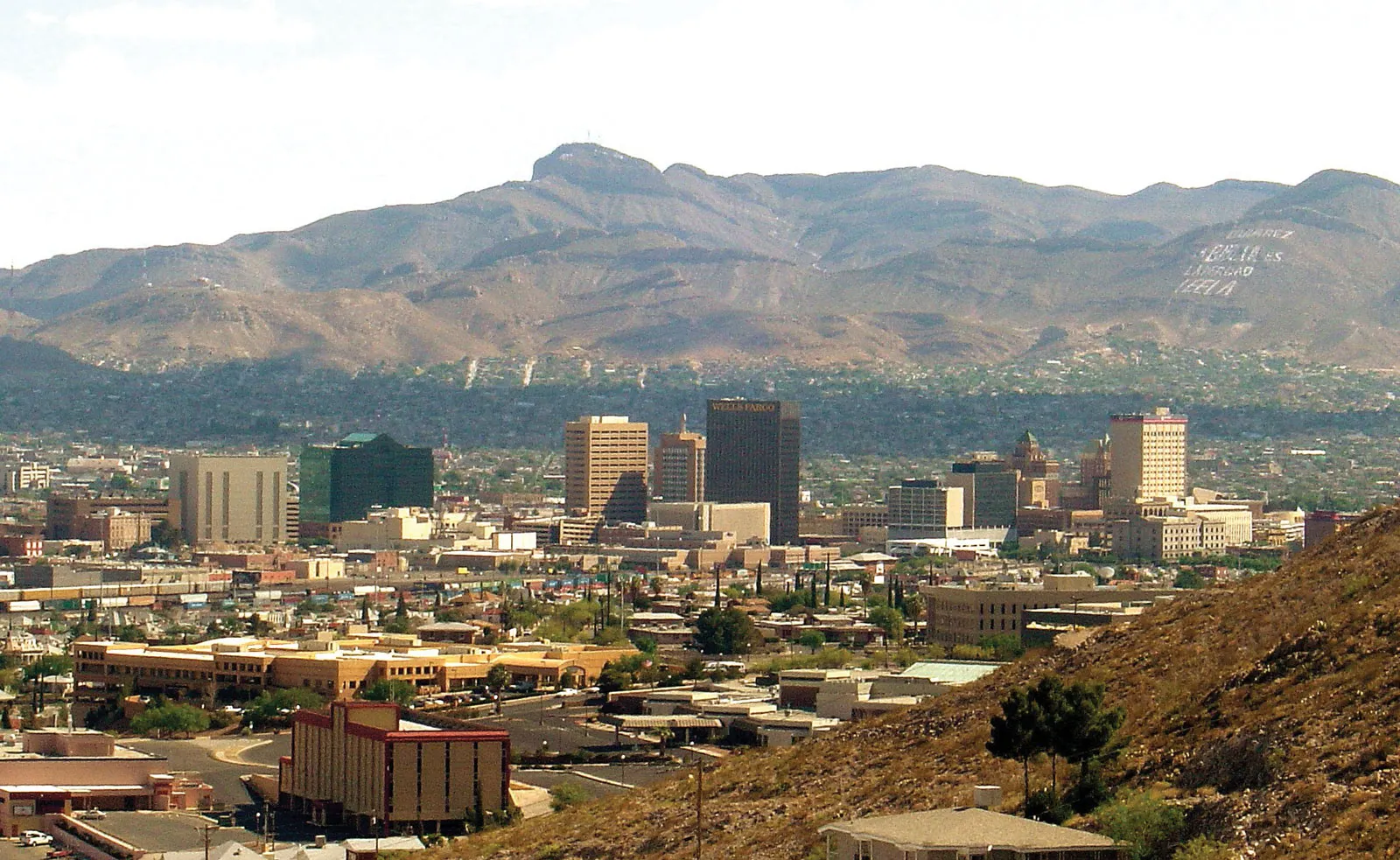
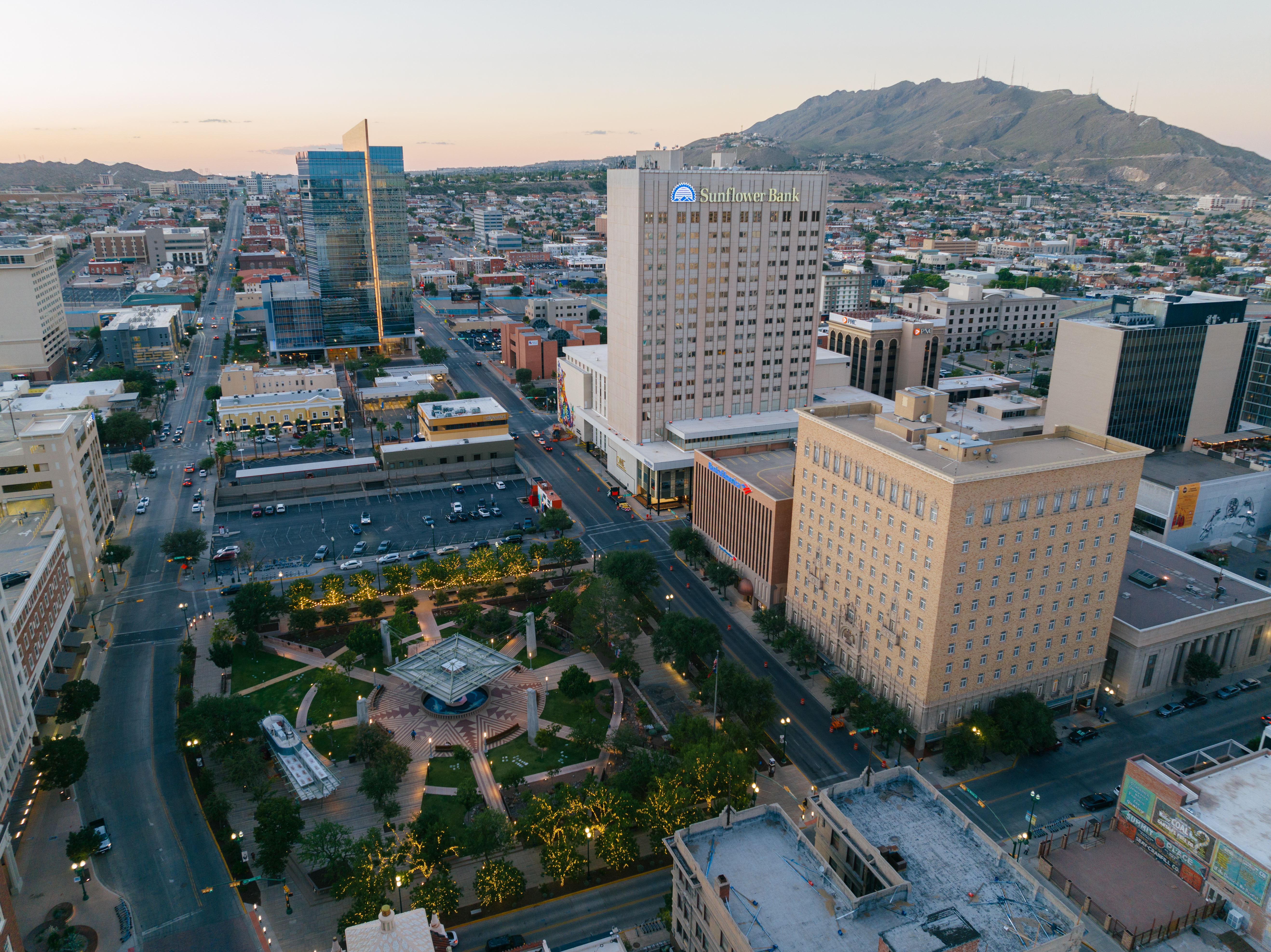
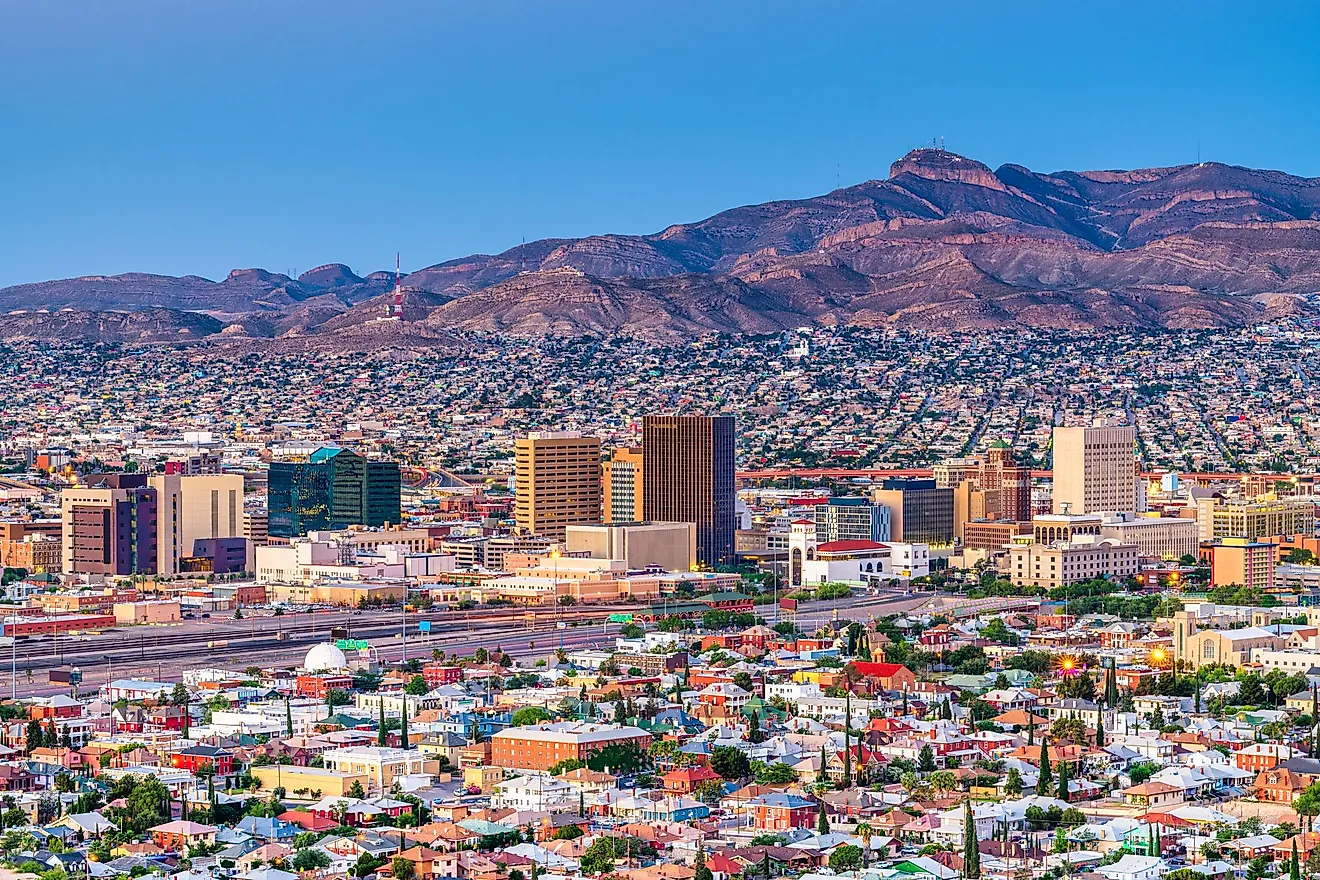
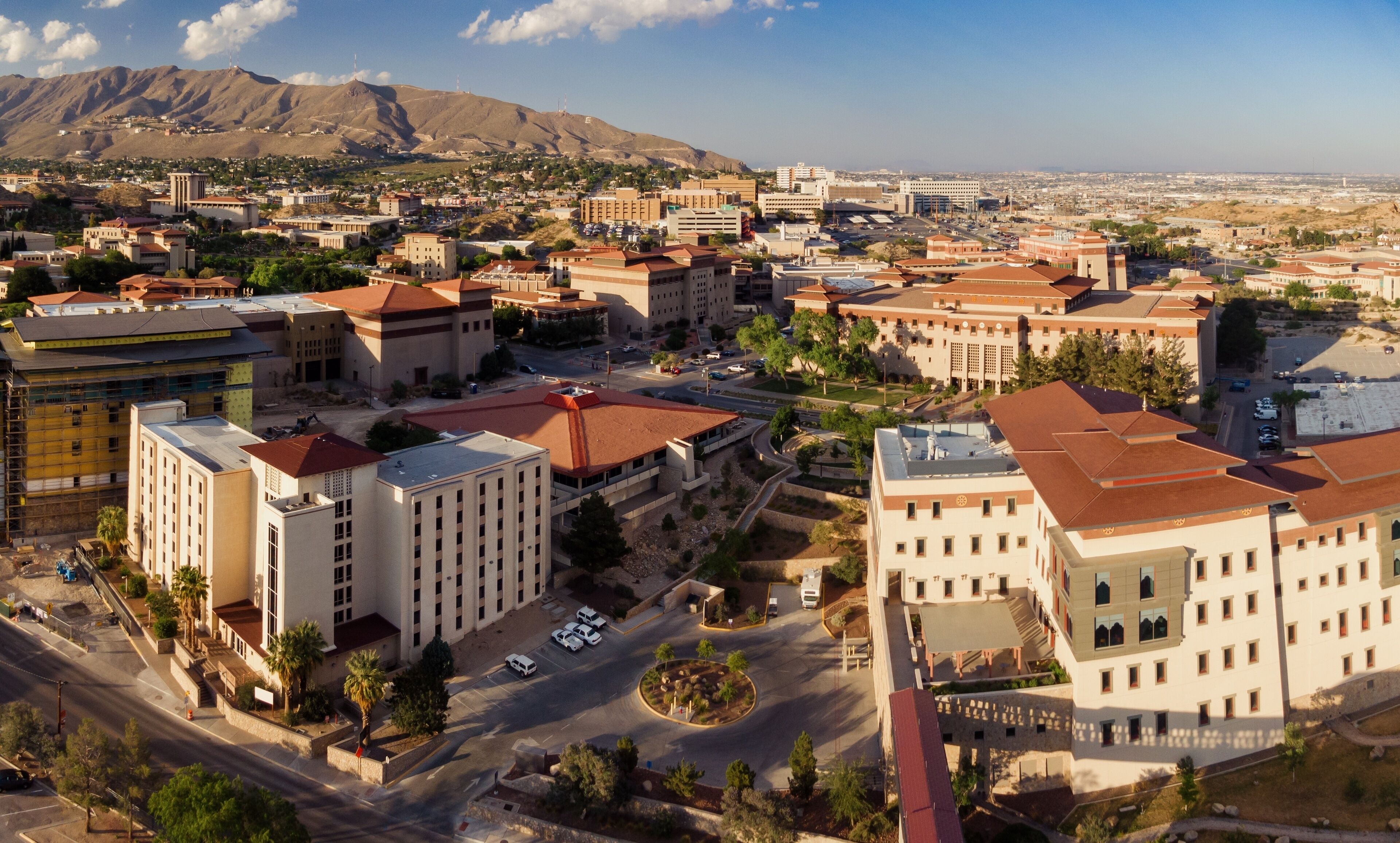
El Paso is a border economy first and a Sun Belt growth market second. The city's real estate demand runs on four drivers that don't move in sync: cross-border industrial and logistics tied to the maquiladora manufacturing base in Ciudad Juarez, one of the Army's largest installations at Fort Bliss, a concentrated medical sector, and residential growth pushing outward on the metro's east side. An exchange investor searching El Paso broadly needs to know which driver a specific property depends on before comparing it to anything else.
Industrial and warehouse demand along the border crossings, Bridge of the Americas, Ysleta-Zaragoza, Paso del Norte, and Stanton Street, is tied directly to freight moving between maquiladora plants in Juarez and manufacturers across the country, carried largely by Union Pacific and BNSF rail alongside truck traffic. That demand holds up differently than the retail and multifamily demand generated by Fort Bliss housing turnover, or the steady tenancy around hospitals like University Medical Center, Del Sol, Las Palmas, and Providence.
Residential growth on the eastern edge of the metro is a fourth, separate story, running well ahead of commercial construction in the newest subdivisions.
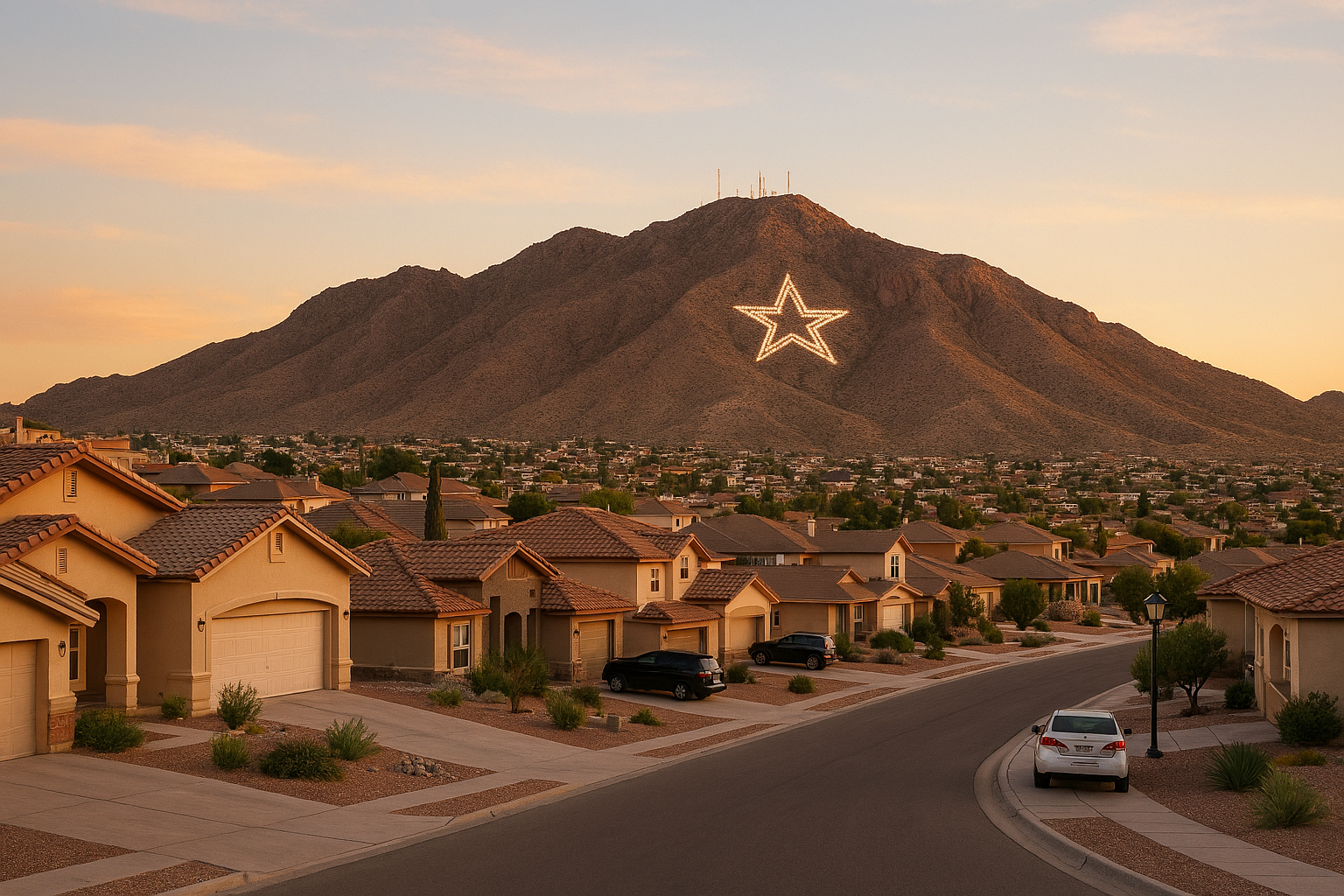
The Franklin Mountains physically divide El Paso into west-side and east-side halves, and that geography does more to shape submarket identity here than in most metros. West El Paso, Central El Paso, and the Upper Valley behave differently than East El Paso, Cielo Vista, and the fast-growing Far East corridor, even though they are all technically the same city.
Treating El Paso as one uniform market when comparing properties is one of the more common underwriting mistakes an out-of-town exchange buyer makes.
Because Texas has no state income tax, the federal 1031 rules carry the full weight of the exchange calculation here without an added layer of state capital gains tax, which simplifies one part of the math but doesn't reduce the need for real diligence on the property itself. Industrial buyers should confirm rail access and dock configuration; medical-office buyers should confirm proximity to an actual hospital system rather than assume adjacency; retail buyers near Fort Bliss should understand the turnover pattern tied to military rotation cycles.
A metro-wide search works best when it's grouped by which demand driver each candidate serves, considering more than proximity to downtown alone.
These four demand drivers don't move on the same schedule, and that's a feature for an investor building a diversified identification list rather than a complication to avoid. Industrial and logistics demand along the border corridors tends to track manufacturing output in Ciudad Juarez and broader freight volumes, which can shift with trade policy and currency conditions largely outside any local investor's view. Fort Bliss-linked housing and retail demand moves with Army force-structure decisions. Medical office demand is comparatively steady, tied to population health needs that don't swing with economic cycles the way retail traffic does. Eastern residential growth responds mostly to local affordability relative to other Sun Belt metros.
An investor who understands which driver underlies a specific El Paso property, rather than treating El Paso market conditions as one uniform number, can build an identification list where a slowdown in one driver doesn't threaten the whole exchange.