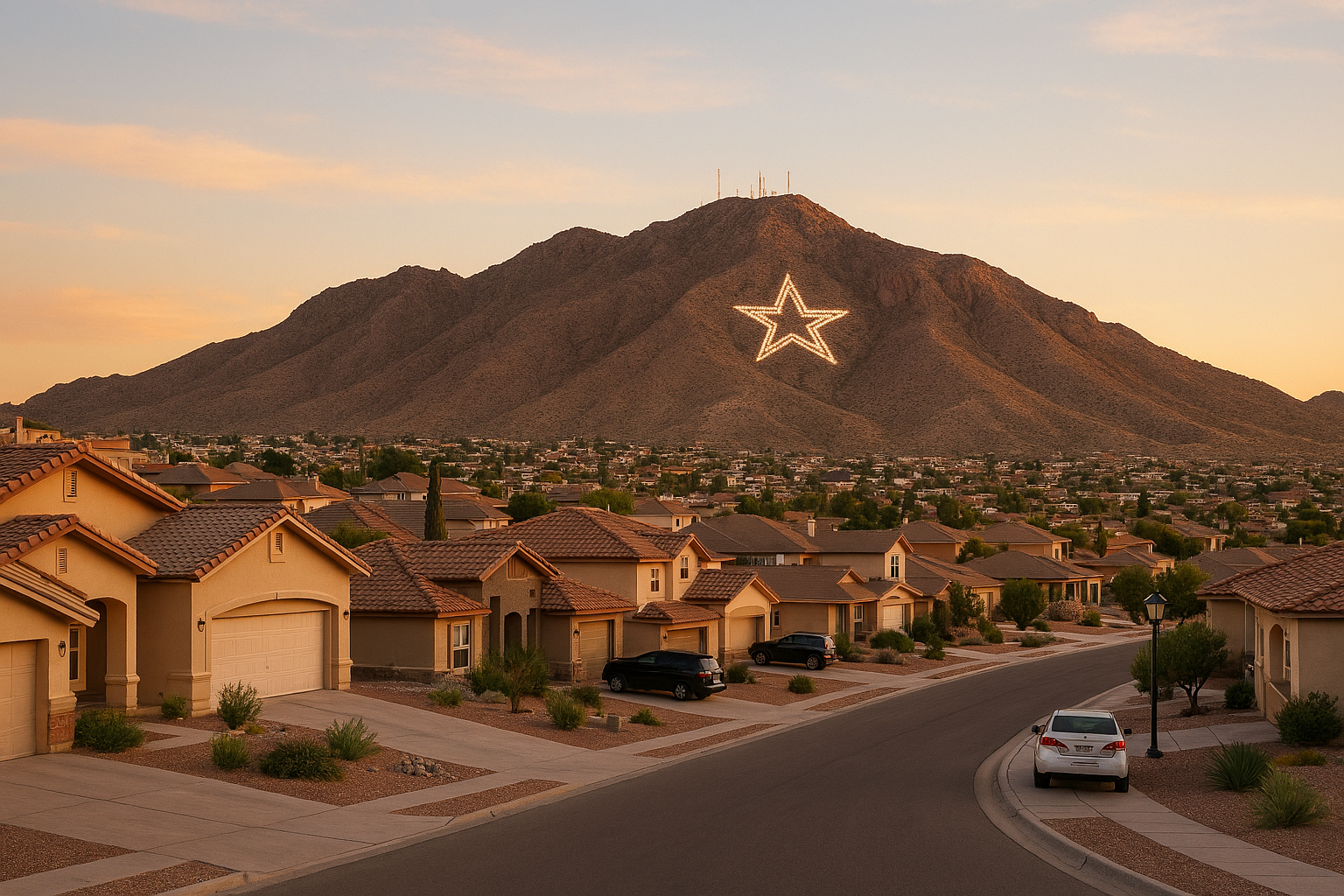
Clint

Clint

Clint sits in the Lower Valley southeast of El Paso, an agricultural community where cotton and alfalfa fields still outnumber commercial buildings. Rising land and rental costs closer to the city have started pushing rooftops east toward Clint, but the commercial base has not caught up yet, and an investor should not expect it to look like a scaled-down version of El Paso proper.

Agricultural Ground Still Anchors the Local Economy

Clint's identity is farmland first. Cotton, alfalfa, and smaller vegetable operations occupy most of the acreage around town, and land transactions here are still priced primarily on agricultural use and water rights rather than speculative commercial value. For an exchange investor, that means Clint land can be a legitimate like-kind replacement, but the underwriting should treat it as agricultural real estate, not a future retail pad, unless there's a specific rezoning or development plan already underway.

Affordability Is Pulling Rooftops East

New subdivisions have been built off the Lower Valley's main roads as buyers priced out of El Paso's core look for cheaper land and Clint ISD school options. That residential growth is real, but it is early, and it has not yet generated the retail or service-commercial construction that typically follows rooftop growth in faster-building submarkets like Far East El Paso.

An investor betting on Clint retail today is largely betting on future absorption, not existing demand.

The Commercial Bench Is Still Shallow

What commercial inventory exists in Clint tends to be small, owner-operated buildings along the main roads through town rather than institutional-grade retail or office product. Finding a stabilized, professionally managed replacement property inside Clint itself is difficult, and most investors who want commercial exposure here end up buying land with entitlement potential instead of a finished building.

That reality should shape expectations before a Clint property gets named on an identification list, not after.

Planning Around Clint's Limited Inventory

Because the local bench is thin, Clint works best paired with alternates that offer either more commercial depth or a similar agricultural profile.

  • Agricultural and irrigated land parcels along the main county roads
  • Small owner-operated commercial buildings fronting the highway
  • Fabens and San Elizario for comparable agricultural-adjacent scale
  • East El Paso or Horizon City for investors who need finished commercial product

What Rising Clint ISD Enrollment Actually Signals

Clint Independent School District has added students steadily as new subdivisions have filled in along the Lower Valley's main roads, and that enrollment growth is one of the more reliable early indicators of where retail demand is headed next in a market this size. School growth tends to lead commercial construction by a few years rather than follow it, which means today's rooftop numbers are a better guide to Clint's future retail potential than its current, still-thin commercial inventory.

That said, an investor shouldn't underwrite a purchase today on tomorrow's projected demand. The honest read is that Clint retail land bought now is a bet on continued household growth, not a stabilized income purchase, and the identification list should reflect that distinction rather than price a raw parcel as if it already carries tenant income.

A more conservative approach treats Clint land as a long-term hold rather than a near-term income replacement, and pairs it on the identification list with a stabilized property elsewhere so the exchange as a whole isn't dependent on Clint's growth timeline playing out on schedule. That pairing also gives the investor's lender a stronger overall file to underwrite, since one stabilized asset can offset the growth risk carried by the Clint parcel.

Start Your Exchange Review

Bring the sale facts, timing, and replacement priorities into one working conversation.