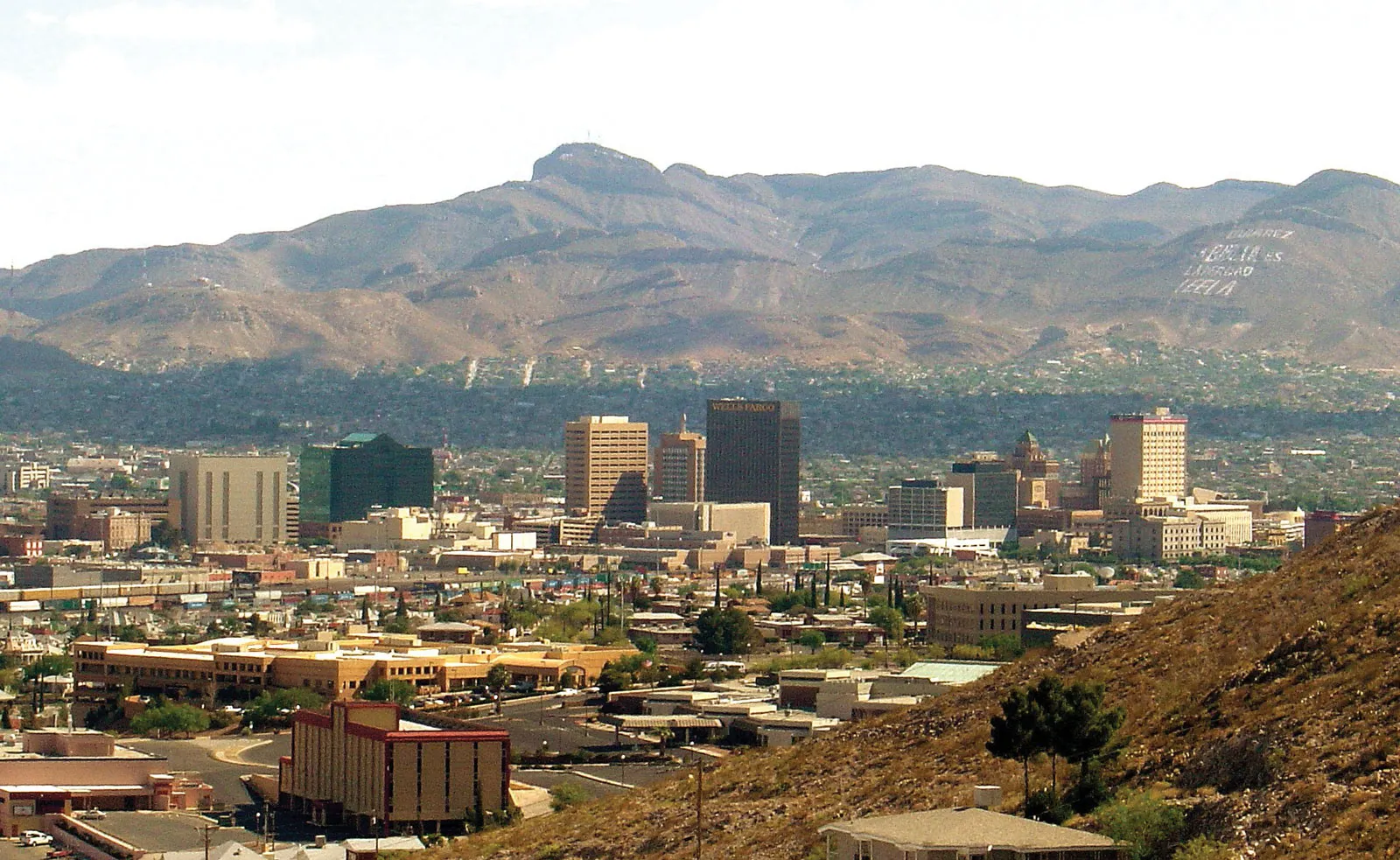
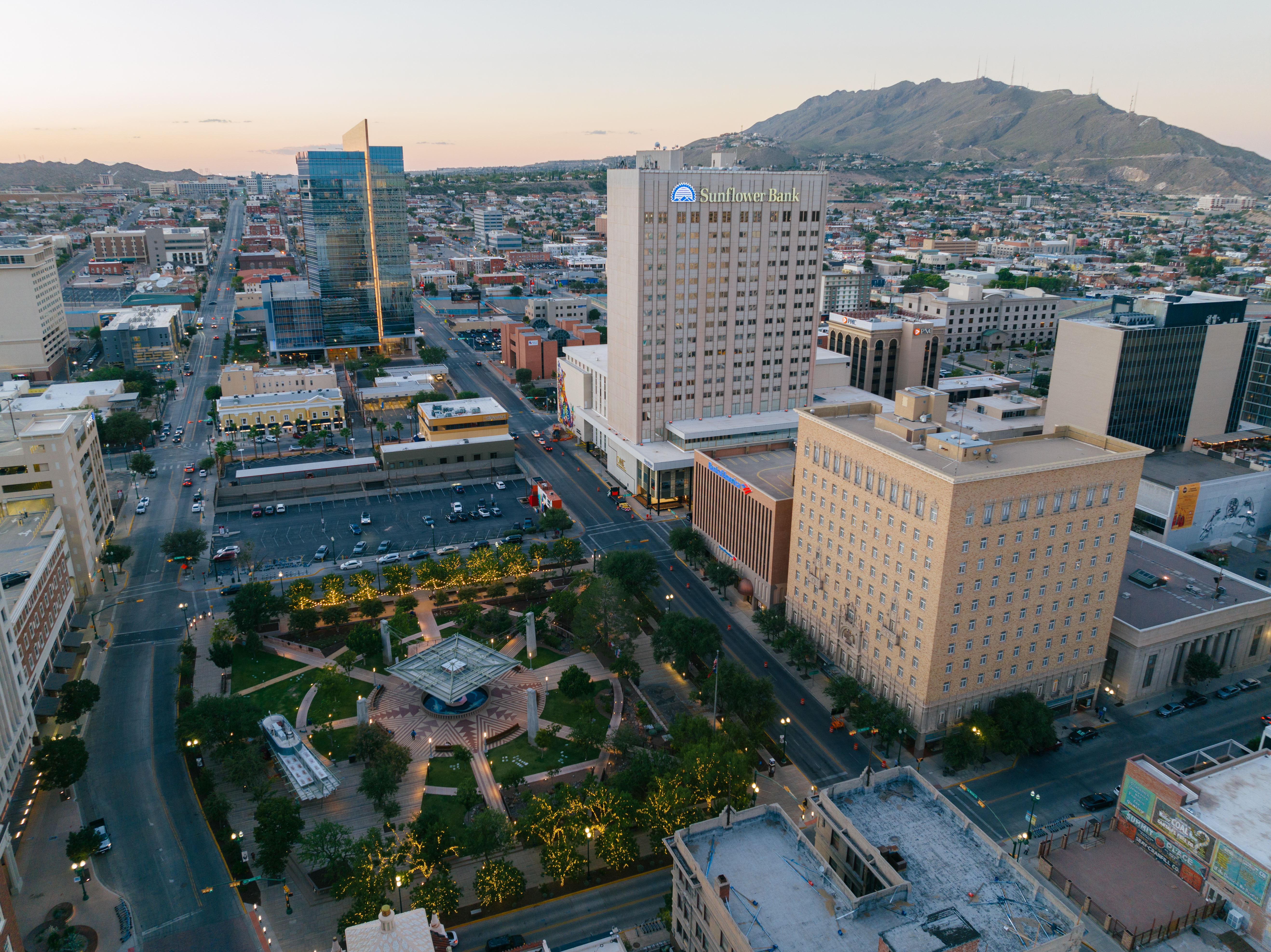
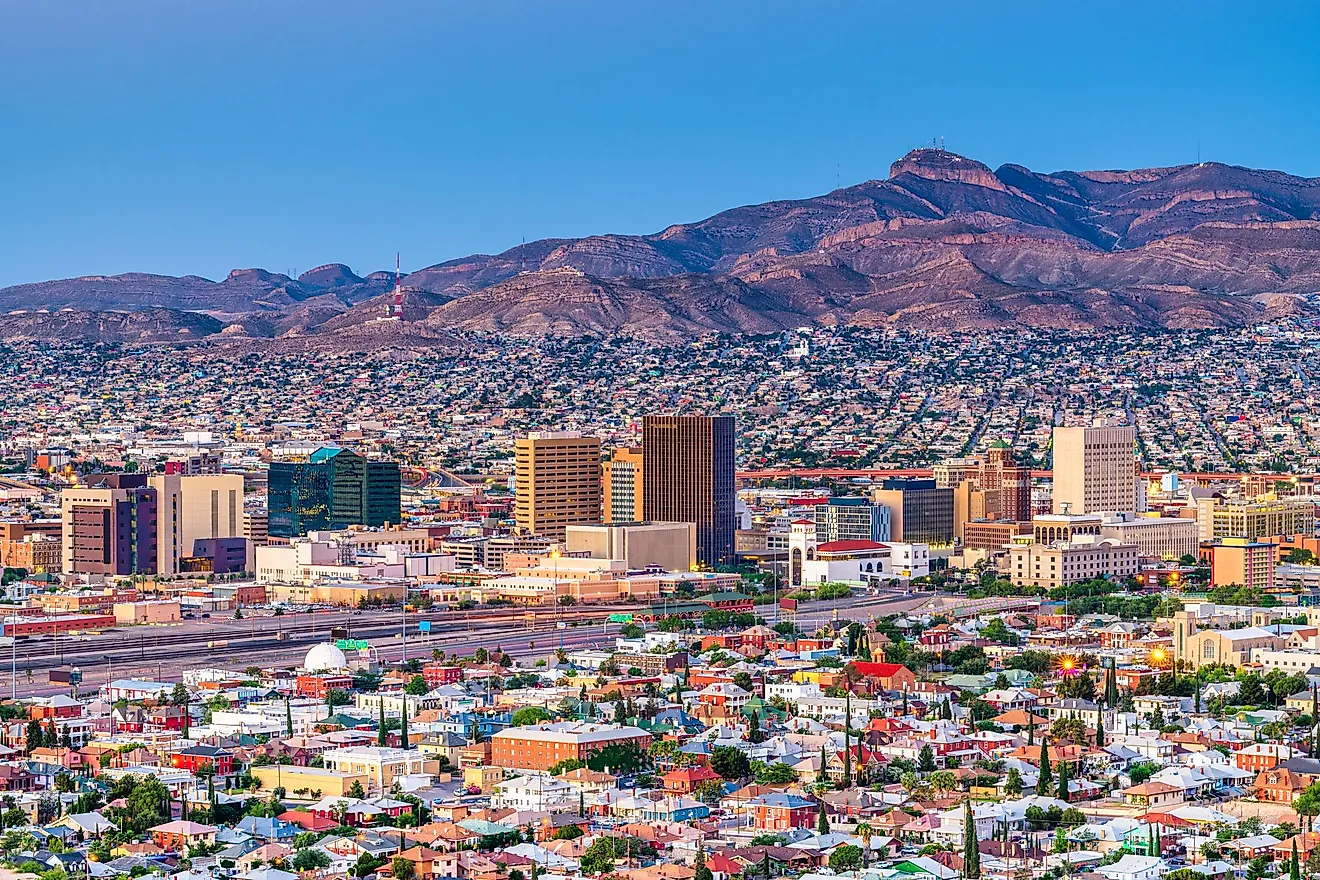
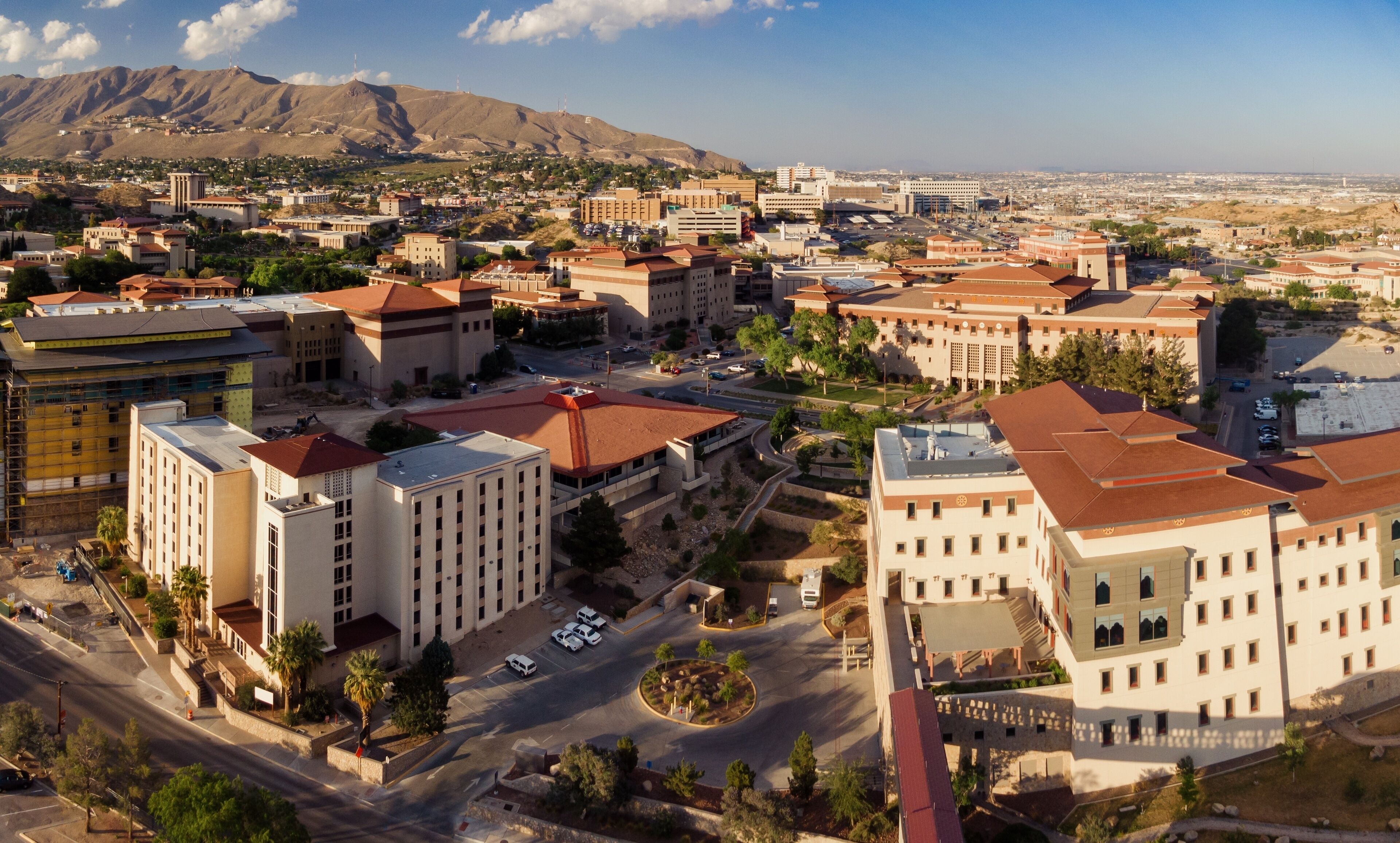
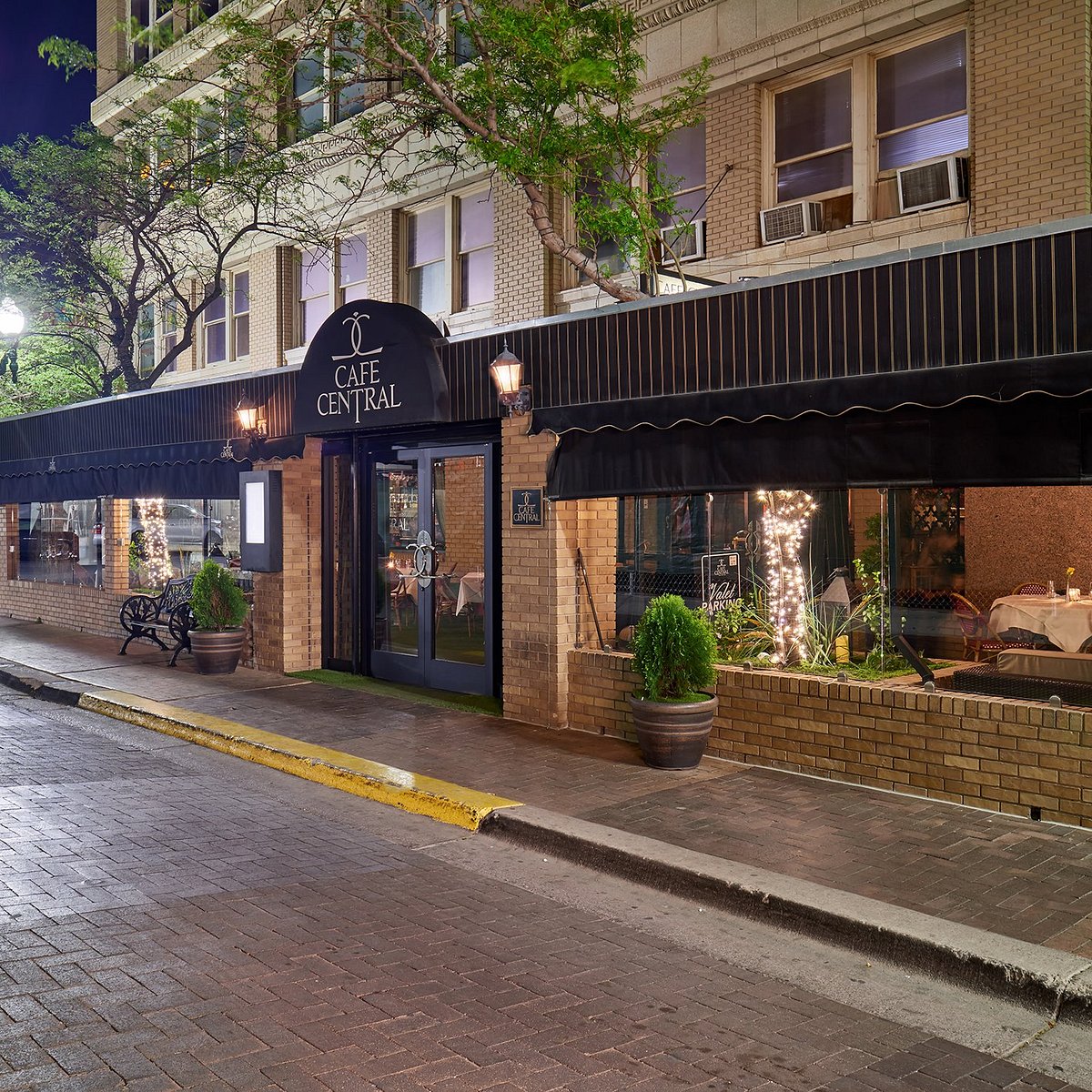
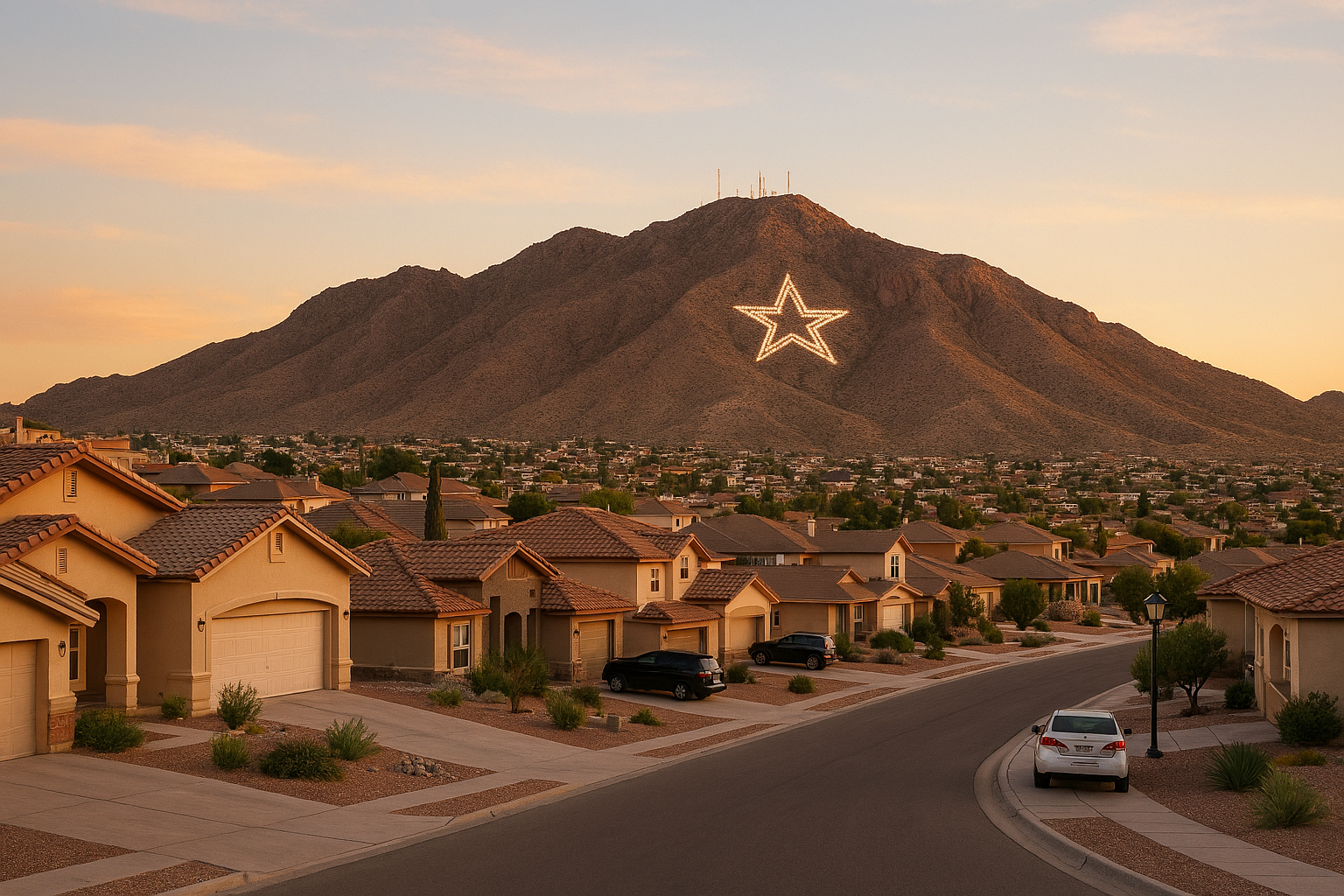
Downtown El Paso is the city's civic and border-crossing core, centered on San Jacinto Plaza, the Union Plaza entertainment district, and a ballpark that catalyzed real but narrow redevelopment starting around 2014. For an exchange investor, downtown is less a single market than two markets sharing a zip code: a handful of revitalized blocks and a larger stock of older buildings still waiting for their next use.
The area immediately around Southwest University Park has seen new restaurants, residential conversions, and renovated storefronts since the ballpark opened, and that pocket now carries meaningfully different rents than the rest of downtown. An investor comparing two downtown addresses needs to know which side of that line each property sits on, because a block or two of distance can mean a very different tenant pool and a very different rent comparable.
The Santa Fe Street, Paso del Norte, and Stanton Street bridges bring steady pedestrian traffic from Ciudad Juárez into downtown daily, and that cross-border foot traffic has supported small retail, discount stores, and service businesses in the blocks closest to the crossings for decades. That demand is durable but modest in scale, and it operates on different economics than the entertainment-district retail near the ballpark.
A number of downtown's older office buildings carry higher vacancy than the rest of the metro and are increasingly discussed as candidates for residential or hospitality conversion rather than as stabilized office assets. Buying one of these as a straightforward income replacement is a mistake if the current rent roll doesn't reflect actual occupied space; the underwriting needs to separate what the building earns today from what it might earn after capital investment.
An investor who wants immediate cash flow should look elsewhere in the submarket rather than a half-vacant tower priced on its conversion story.
Because building condition and true occupancy vary so much block to block, downtown candidates need an early, honest inspection rather than a rent roll taken at face value.
Lenders tend to split downtown El Paso into the same two categories investors should already be using: stabilized, occupied buildings near the ballpark redevelopment pocket, and older, higher-vacancy towers that read more like a value-add or conversion project than a standard purchase. The first category can usually be financed like any other income property, with underwriting based on trailing rent-roll performance. The second category often requires either a larger down payment, a bridge loan structured around the eventual stabilized value, or a lender with specific experience in adaptive-reuse projects.
An investor identifying a downtown property inside a tight exchange window should confirm which category the lender believes the building falls into well before the identification deadline, since a lender's classification can change the available loan terms enough to affect whether the deal closes inside the 180-day period at all. Getting that classification in writing early also gives the investor's tax advisor a clearer picture of whether the numbers still support the exchange as planned, and gives the qualified intermediary enough lead time to prepare exchange documents that match the actual financing structure rather than an assumed one.