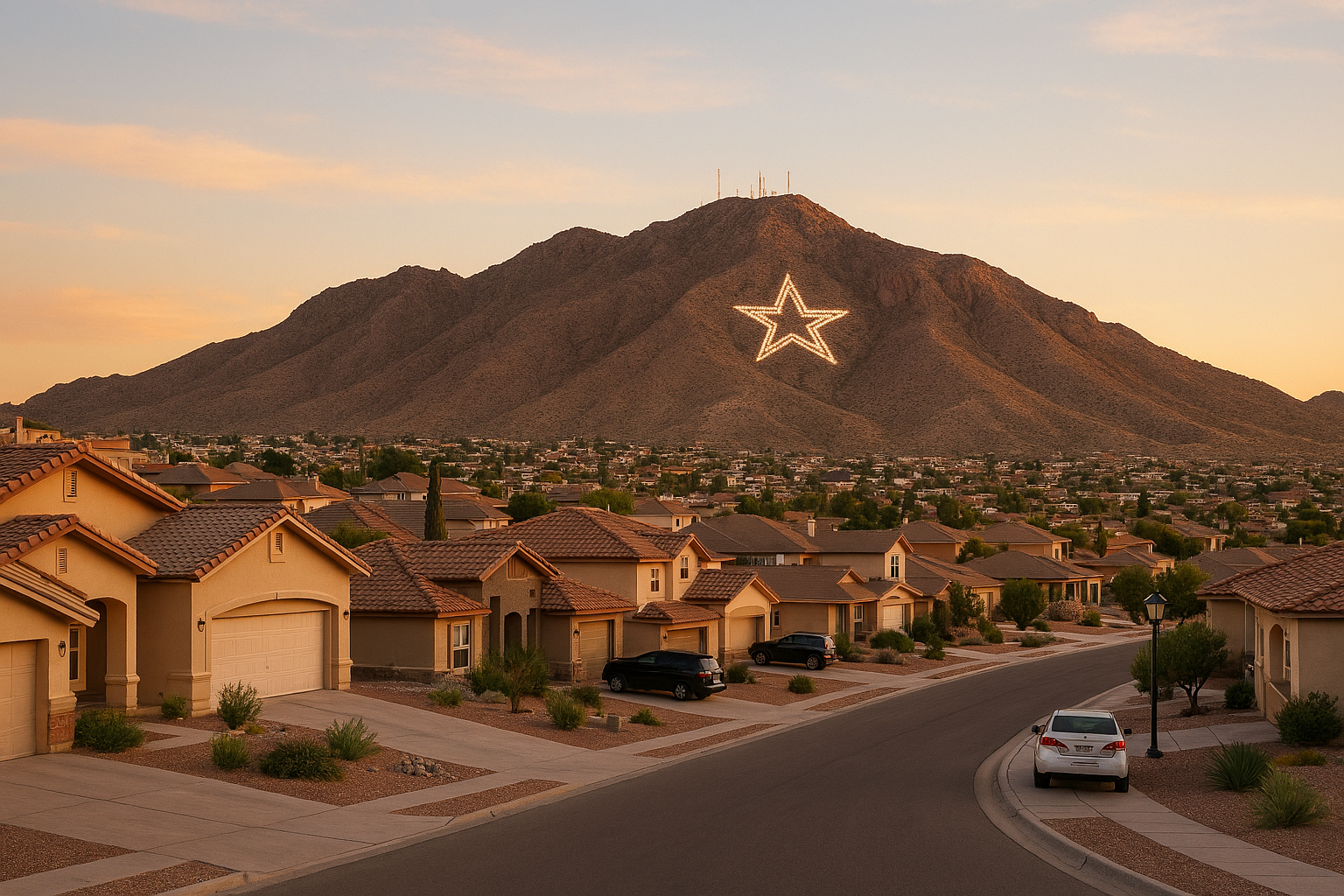
Far East El Paso is the newest and fastest-building edge of the metro, extending along Loop 375 and the Zaragoza and Edgemere corridors well past where East El Paso's older development ends. Master-planned subdivisions and new retail anchors have arrived quickly, and that speed is exactly what an exchange investor needs to underwrite carefully rather than take at face value.
New subdivisions have continued extending east along Loop 375 and toward Horizon City, and grocery-anchored retail centers, typically centered on an HEB or Walmart store, have followed close behind. This is the one submarket in the El Paso area where retail construction is arguably keeping pace with, rather than lagging, residential growth.
That pace attracts investors, but it also means some centers are still in active lease-up rather than fully stabilized.
A newer building in Far East El Paso typically carries a higher price basis and lower deferred-maintenance risk than comparable properties in Central or East El Paso, but it also means less operating history to underwrite against. Cap rates on new construction here tend to run tighter than on older, proven assets, which is the tradeoff for lower physical risk.
An investor should ask for actual trailing income where it exists, and treat any pro forma projections as an estimate rather than a fact, before treating a Far East center as a stabilized replacement.
Beyond organic residential growth, Far East El Paso has absorbed some housing demand from Fort Bliss families seeking newer, more affordable options outside the immediate base area. That adds a second demand driver to the submarket, though it also ties part of the growth story to military population trends that can shift with troop-strength changes at the installation.
Because so much of this submarket's value is forward-looking, the identification list should include at least one property with real operating history to balance the growth exposure.
A submarket building this quickly presents a specific comparable-sales problem: a sale from eighteen months ago may already understate current pricing, while a listing from last month may reflect a seller testing an aspirational number rather than a settled market rate. An appraiser or broker pulling Far East El Paso comparables needs to weight recency heavily and flag any comp that closed before the most recent wave of subdivision buildout, since the underlying supply and demand picture can shift meaningfully within a single year here.
For an exchange investor working inside a fixed 45-day window, that volatility cuts both ways. A property identified early in the window might appraise for less than expected if the market has cooled slightly by closing, or the investor might find a seller unwilling to honor an agreed price once a newer, higher comparable sale closes nearby. Locking in appraisal and financing terms as early as possible in the process reduces exposure to that kind of movement, and confirming the appraiser has recent Far East El Paso experience specifically, rather than general El Paso metro experience, tends to produce a more defensible number for the lender and fewer surprises during the 180-day closing period.