Mission Valley

Mission Valley

Mission Valley is the name El Paso brokers give to the historic corridor along Alameda Avenue that links the Ysleta, Socorro, and San Elizario missions, the oldest continuously used religious sites in Texas. It is a real cultural identity, and a smaller commercial market than the name suggests.

The Corridor Behind the Label

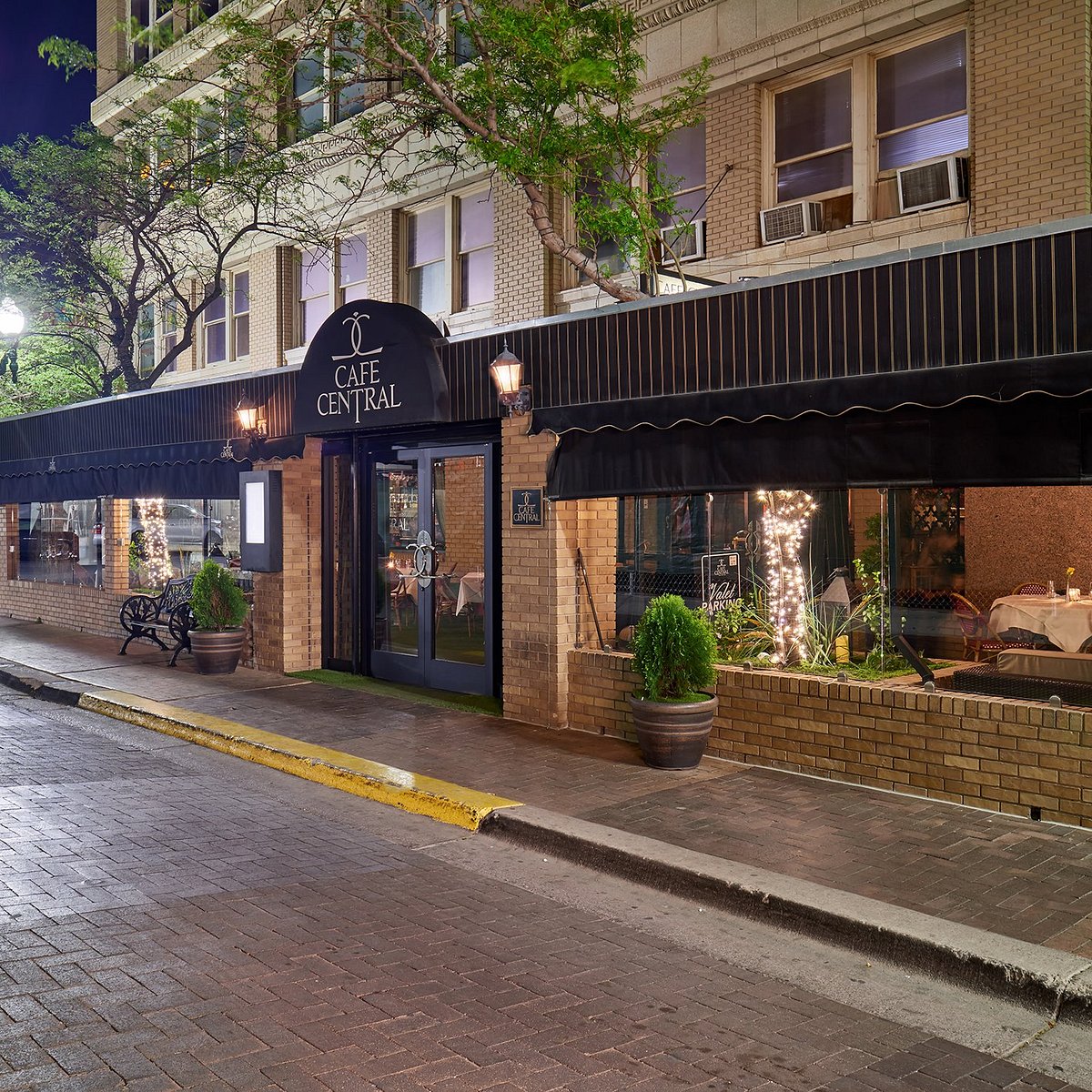
Alameda Avenue ties the three mission communities together and carries most of the corridor's retail and small commercial frontage. The land immediately around each mission tends to be fragmented into small parcels held by long-time families, which keeps assembly slow and makes larger-format commercial development the exception rather than the rule.

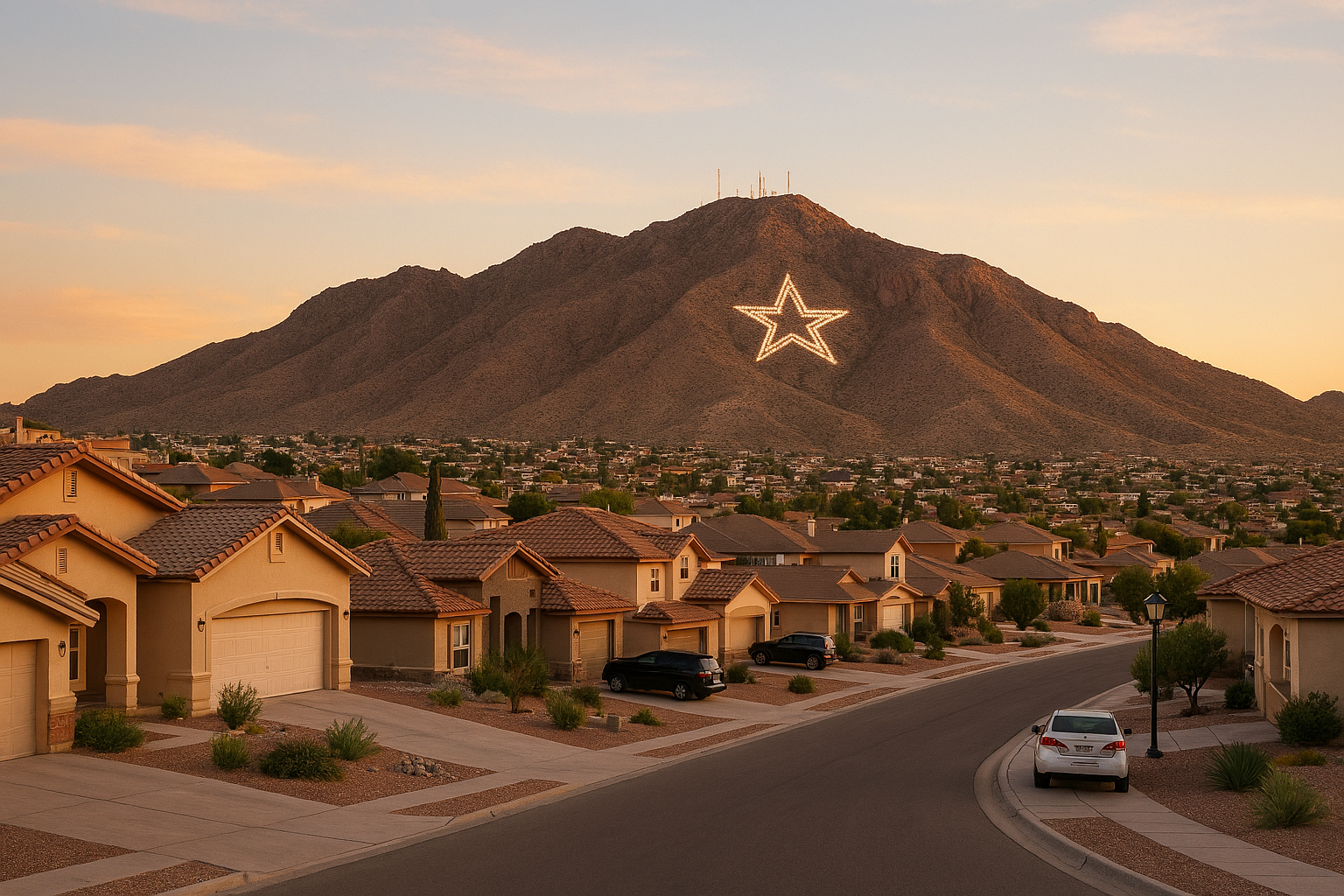
Outside the immediate mission frontage, Mission Valley blends into the residential fabric of Ysleta and Socorro, and property here should be evaluated against those neighboring submarkets rather than treated as its own separate category.

Heritage Traffic Is Not the Same as Commercial Depth

The Mission Trail draws visitors, school groups, and occasional heritage tourism, and that has kept a handful of small retail and food operators viable along Alameda for years. But that traffic pattern is seasonal and modest next to the daily-needs demand that drives rent in a true retail corridor, and it should not be mistaken for a deep tenant pool.

A buyer underwriting a Mission Valley storefront against heritage foot traffic alone is underwriting a narrower business than the address might imply. School field trips and weekend visitors concentrate around a handful of days and hours, which is very different from the steady daily-needs traffic that supports rent in a conventional strip center.

Land Assembly Along Alameda

  • Confirm how many separate parcels and owners are actually involved before assuming a site is assembly-ready
  • Check floodplain and levee setback rules given the corridor's proximity to the Rio Grande
  • Verify access and curb cuts along Alameda, since traffic patterns near the missions differ from the open highway frontage elsewhere in the valley
  • Ask whether utility capacity supports anything beyond the existing small-format use
  • Review title carefully on older family-held parcels, where boundary and heir issues are more common

Why a Single Mission Trail Parcel Is a Fragile Bet

Because so much of Mission Valley's commercial stock is small, older, and thinly traded, a single storefront or corner parcel here carries more concentration risk than the same dollar amount spread across Ysleta or Socorro. If a tenant leaves or a title issue surfaces during diligence, there often isn't a comparable backup property sitting a block away.

That thinness is exactly what makes constructive receipt worth watching closely. If a deal falls apart late and there is no ready alternative in the corridor, the temptation to take proceeds directly rather than route them through the qualified intermediary can jeopardize the entire exchange. The safer approach is lining up backups before that pressure ever shows up.

Coordinating the Identification List

Most exchangers who want Mission Valley exposure are better served treating it as one entry alongside Ysleta and Socorro rather than the whole list. The three-property rule supports exactly that kind of spread, and it keeps a single fragile Alameda parcel from being the only thing standing between an exchanger and a completed transaction.

Your qualified intermediary and CPA should see that spread early, not after a Mission Valley deal has already hit a snag, so the timeline for identifying and closing on a backup stays realistic against the 180-day clock. A short written note explaining why a Mission Valley property fits the exchange, separate from its historic setting, also makes the eventual advisor handoff cleaner if the deal changes hands between broker, lender, and title team before closing.

Start Your Exchange Review

Bring the sale facts, timing, and replacement priorities into one working conversation.