Northeast El Paso

Northeast El Paso

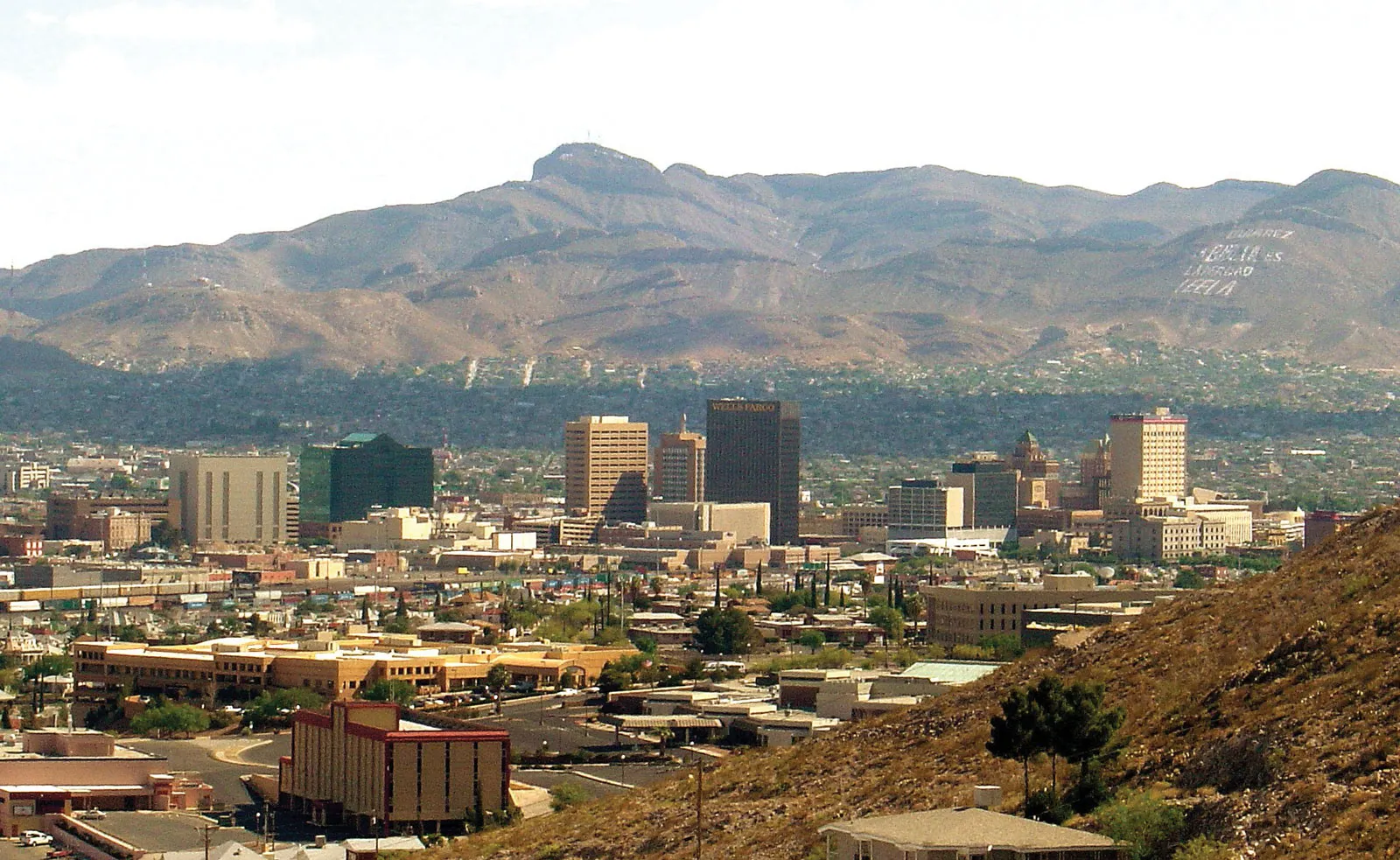
Northeast El Paso sits against Fort Bliss's main cantonment, and the submarket's commercial rhythm follows the post more closely than almost any other part of the metro. That concentration is the first fact an exchange buyer needs to price in, before the address or the cap rate.

A Market Shaped by One Employer

Along Dyer Street, Fred Wilson Road, and the Diana Drive corridor, commercial tenants exist largely to serve soldiers and their families rotating through Fort Bliss: extended-stay housing, used car lots, check-cashing and title-loan storefronts, fast food, and older strip retail. That tenant mix produces steady baseline demand, but it also means the submarket's fortunes move with troop levels, deployment schedules, and Basic Allowance for Housing rates rather than with El Paso's broader economy.

Housing turnover here tends to be faster than in civilian-driven submarkets, since military families rotate on orders rather than local job changes, and multifamily and extended-stay operators have built their underwriting around that pattern for years.

What's Actually on the Ground

Building stock along the older commercial corridors skews toward properties from earlier decades of the post's growth: strip centers with deferred capital improvements, standalone retail pads, and a scattering of newer development near the airport where redevelopment has picked up. It is not a market defined by recent institutional-grade construction.

That age profile means roof, HVAC, and parking lot condition deserve real attention in due diligence rather than a drive-by assumption that an occupied center is a sound one. Redevelopment activity near the airport has picked up in pockets, but it remains the exception against a corridor that is still, on the whole, decades older than the newer growth areas further east.

Underwriting Around Deployment Cycles

The risk specific to Northeast El Paso is that tenant demand can move with decisions made far outside the local market. A large deployment, a base realignment, or a BAH rate adjustment can shift household spending power in this submarket faster than in one built on diversified private employers. A rent roll that looks stable this year is not automatically stable through a full exchange holding period.

That's worth raising directly with your lender and CPA before assuming a Northeast property's trailing income is a safe baseline for replacement-value planning.

Capital Reserves for Older Stock

  • Get a property condition report on roof, HVAC, and parking before relying on the seller's maintenance summary
  • Ask for occupancy history through at least one full deployment cycle, extending well beyond trailing twelve months
  • Check whether tenant leases reference BAH-linked rent adjustments or fixed terms
  • Confirm insurance costs and coverage, since older strip centers in this corridor can carry higher premiums
  • Review any capital improvement reserves the seller has actually funded versus disclosed on paper

A List That Isn't a Bet on One Employer

Because so much of Northeast El Paso's demand traces back to a single installation, most exchangers pair a property here with a backup in a submarket driven by different fundamentals, rather than identifying two Northeast properties as their full list. Central El Paso or the Northwest give a genuinely different demand profile to hedge against.

The three-property rule makes that pairing straightforward. What matters is deciding on the spread with your qualified intermediary before day 45, not scrambling for a non-military-adjacent backup after the primary Northeast deal hits a snag.

Start Your Exchange Review

Bring the sale facts, timing, and replacement priorities into one working conversation.