Northwest El Paso

Northwest El Paso

Northwest El Paso, running along Mesa Street and Trans Mountain Road toward the New Mexico line, is the metro's more affluent quadrant. It is also where an exchanger is most likely to overpay if they buy the address instead of the deal.

The Franklin Mountains Set the Supply Story

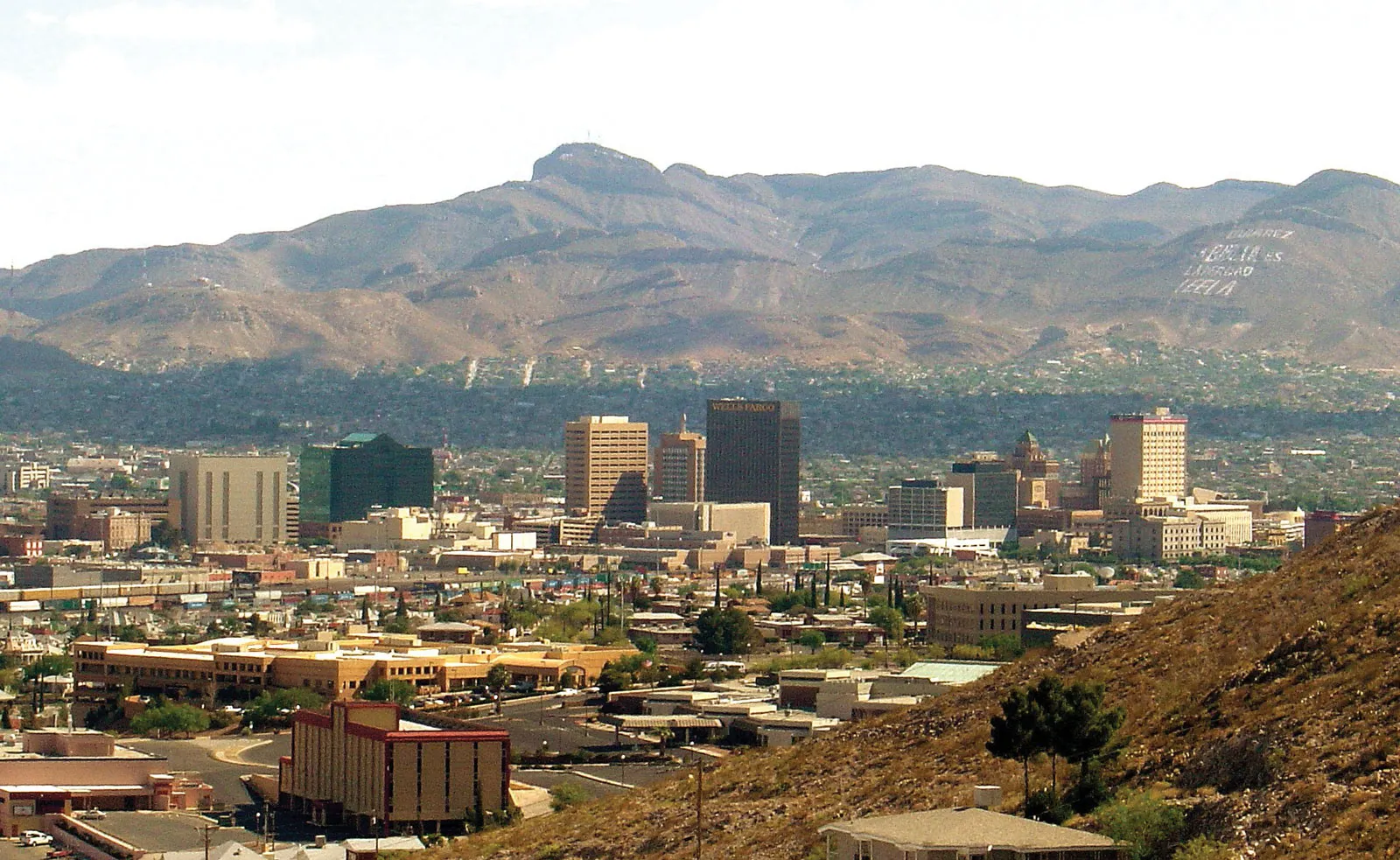
The Franklin Mountains cut directly through the middle of the metro, and Northwest El Paso develops around and beneath them rather than across an open grid. That geography constrains how much new commercial land can come online, which has kept supply disciplined even as newer master-planned residential neighborhoods have filled in toward Trans Mountain and the Santa Teresa line.

Constrained supply next to steady rooftop growth is exactly the setup that pushes prices up, and it has here for years.

What Trades at a Premium

Medical office does well in this submarket, supported by hospital and specialty-care campuses along the Mesa corridor, and boutique and specialty retail draws on the area's higher household incomes. Newer multifamily and small-format retail nodes near the master-planned communities also see strong interest from buyers who want stabilized, well-located product rather than a value-add project.

That demand shows up in pricing. Cap rates for well-located Northwest product routinely run tighter than comparable assets in the Lower Valley or East El Paso, and sellers know it. Newer neighborhood retail nodes carrying grocery and service tenants have followed the master-planned communities pushing toward the state line, giving buyers a genuinely newer alternative to the older Mesa Street stock closer to UTEP.

Where the Cap Rate Math Gets Dangerous

A tight cap rate isn't automatically a problem, but it becomes one when an exchanger pays a premium for a Northwest address without confirming the in-place income actually supports it. If the trailing rent roll relies on a below-market legacy tenant, or the seller is marketing on trade area demographics rather than signed leases, the exchanger can end up financing a story instead of a cash flow.

That gap matters more in a 1031 context than in an ordinary purchase, because the exchanger is often working against a fixed 45-day identification window and doesn't have the luxury of walking away and starting a fresh search from scratch.

Testing a Northwest Deal Before You Commit

  • Pull actual trailing income, not a broker's stabilized pro forma built on market rent assumptions
  • Compare the offered cap rate against genuinely comparable closed sales in the same corridor, not metro-wide averages
  • Confirm medical or specialty retail tenants have real lease terms remaining, not month-to-month arrangements
  • Check whether land constraints near the Franklin Mountains limit any expansion or redevelopment plans built into the pitch

Keeping a Realistic Backup List

Because Northwest El Paso product moves fast and draws competitive bidding, an exchanger who identifies only Northwest properties risks losing the primary candidate to another buyer with no fallback in place. Pairing a Northwest target with a backup in West El Paso or the Upper Valley, using the three-property rule, keeps the search from collapsing if the top choice gets bid away before day 45.

Confirm the identification language with your qualified intermediary well before that deadline, since a rushed substitution late in the window is where mistakes happen.

Start Your Exchange Review

Bring the sale facts, timing, and replacement priorities into one working conversation.