Upper Valley

Upper Valley

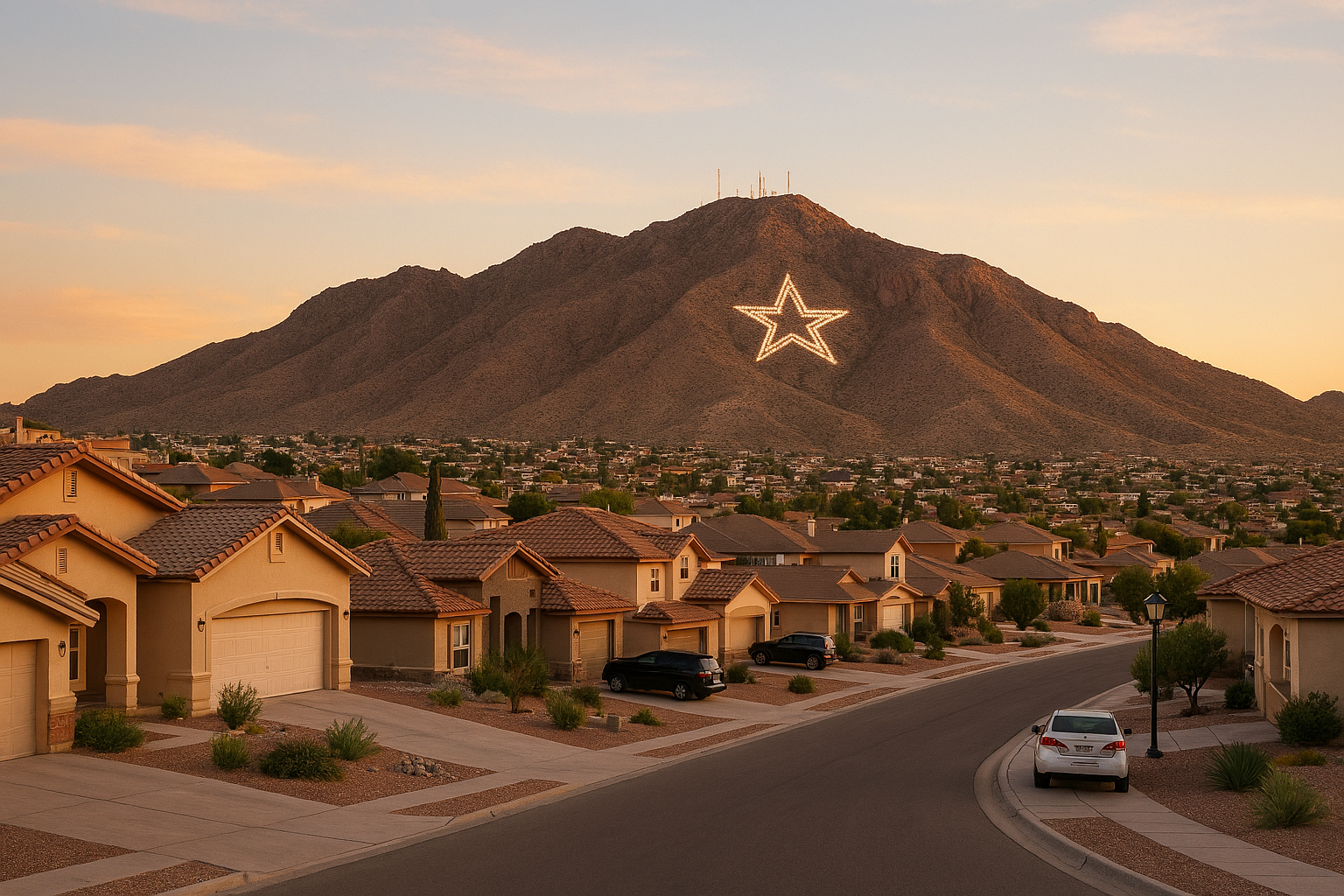
The Upper Valley runs northwest along the Rio Grande toward Canutillo and Anthony, and its character owes more to pecan orchards and horse property than to any commercial corridor. That rural, low-density identity shapes almost everything about how replacement property here should be evaluated.

Horse Property Country, Not a Retail Corridor

Large-lot residential and small agricultural operations dominate the Upper Valley's land use, and the area has long attracted buyers looking for acreage, equestrian facilities, and a quieter, more rural feel than the denser West Side just south of it. Commercial development has followed that character rather than pushed against it, staying limited and local-serving.

That's part of the area's appeal to residents, but it also means an exchanger shouldn't expect the depth of retail or office inventory found in West El Paso or Northwest El Paso just a few miles away. Large-lot zoning and lower overall density have also kept per-parcel property values here on a different track than the denser corridors closer to downtown.

The Thin Commercial Layer Along Doniphan and Artcraft

What commercial activity exists concentrates along Doniphan Drive and Artcraft Road, where small local retail, service businesses, and a scattering of newer development have appeared at the edges of expanding residential growth pushing up from the Northwest. It is a thin layer compared to the corridor's residential footprint, and much of it serves the immediate neighborhood rather than drawing regional traffic.

Land toward the fringe, where newer master-planned communities are pushing the Upper Valley's boundary, is where most of the area's near-term commercial growth is likely to happen, though that growth remains speculative rather than established.

Agricultural Valuation Quirks That Complicate Like-Kind Comparisons

  • Check whether a parcel currently carries an agricultural exemption, which can affect both its tax history and how a lender views its income potential
  • Confirm irrigation and water rights separately, since they materially affect agricultural land value in this corridor
  • Verify whether equestrian or agricultural improvements on a property are income-producing or purely personal-use, since that distinction matters for exchange eligibility
  • Ask for documentation on any recent rezoning near Doniphan or Artcraft before assuming future commercial use is likely

What Fits an Exchange Here and What Doesn't

Real estate held for investment generally qualifies as like-kind for a 1031 exchange, but a horse property used personally, or land held mainly for its agricultural exemption rather than as an income-producing asset, raises questions your tax advisor needs to answer before you commit. This is exactly the kind of parcel where the line between investment property and personal-use property can blur, and getting it wrong risks the exchange's qualification entirely.

For exchangers who do find a genuine income-producing commercial parcel along Doniphan or Artcraft, it's worth pairing that candidate with a backup in West El Paso or Northwest El Paso under the three-property rule, since the Upper Valley's thin inventory doesn't leave much room for a second local option if the first one falls through.

Start Your Exchange Review

Bring the sale facts, timing, and replacement priorities into one working conversation.