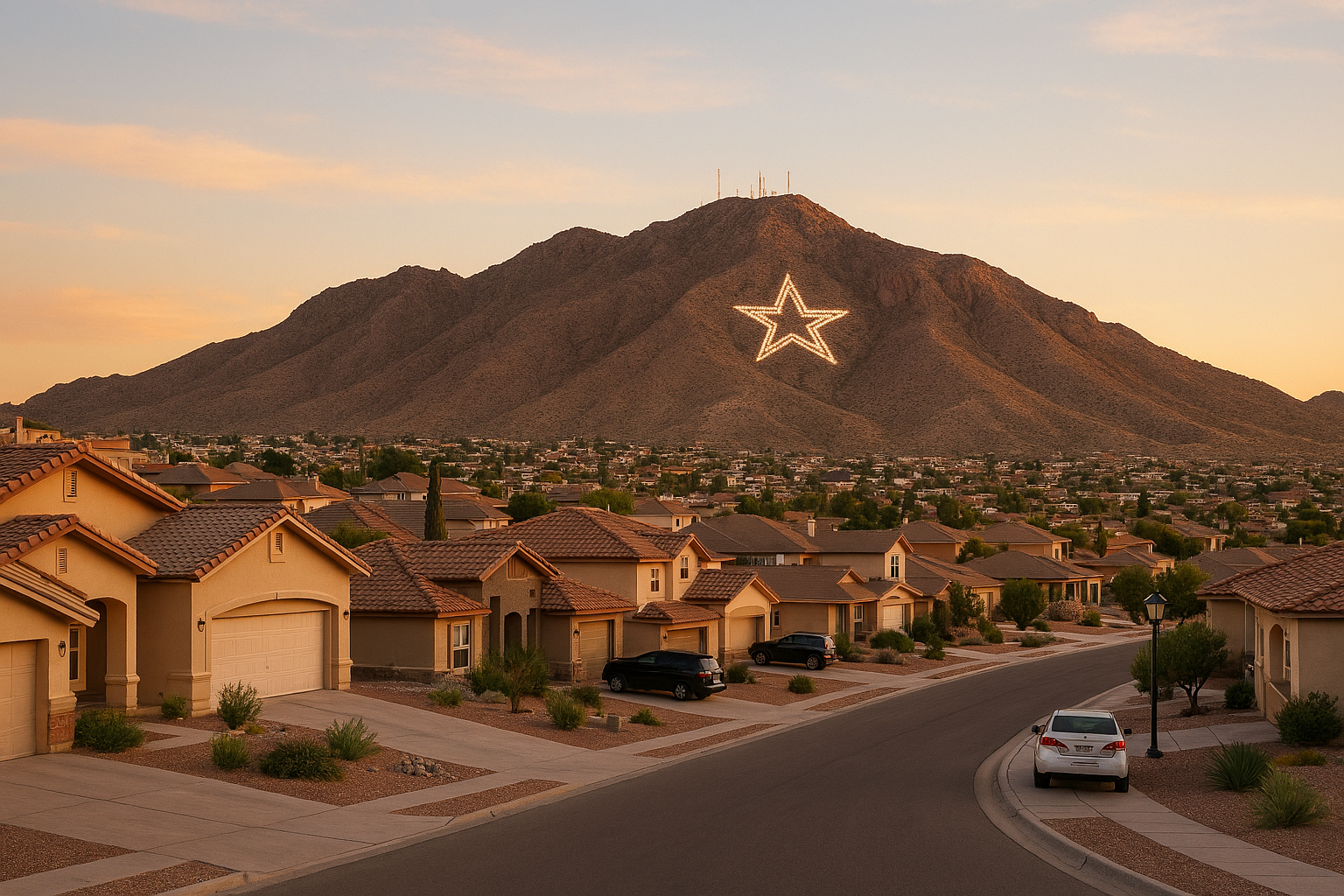
Market Comparable Analysis

Market Comparable Analysis

Every identification decision, every lender conversation, and every 200% rule calculation in an El Paso exchange depends on knowing what a property is actually worth, not what the listing says it's worth. Comparable analysis is the work behind that number, and in a market with as many distinct submarkets as El Paso, generic comps don't hold up.

Why El Paso Comps Don't Travel Well Across Submarkets

A cross-dock industrial sale near the border corridor isn't a useful comparable for a rail-served warehouse near the Union Pacific ramp, even if both are labeled industrial in a database. A multifamily sale near Fort Bliss, where military housing demand shapes absorption, doesn't translate cleanly to a multifamily comp near the medical district, where tenant demand is driven by hospital and university staff instead. Treating El Paso as one undifferentiated market is one of the fastest ways to misvalue a replacement candidate.

What Goes Into a Comp That Actually Holds Up

A defensible comparable set pulls recent closed sales, not only active listings, adjusted for property condition, tenant quality, lease term remaining, and submarket-specific demand drivers. For border-adjacent industrial, that means weighing yard and trailer capacity alongside square footage. For medical office, it means weighing proximity to the medical district's anchor institutions. For retail, it means looking at the specific trade area's traffic and co-tenancy rather than a citywide retail average.

Where Comp Analysis Feeds Directly Into Exchange Decisions

  • Confirming relinquished property fair market value for 200% rule calculations
  • Supporting lender loan-to-value assumptions before preflight conversations
  • Testing whether an identified property's asking price reflects real recent sales
  • Documenting valuation basis in case identification figures are later questioned
  • Comparing replacement candidates against each other on a consistent basis

Why Recency Matters More Than Usual Right Now

Border and rail-driven demand in El Paso can shift with logistics and manufacturing activity faster than a typical suburban market, which means a comp from eighteen months ago may already be stale for an industrial or logistics-adjacent property. An investor building an exchange identification list should weight the most recent closed sales heavily and treat older data as directional at best, particularly for asset types tied to cross-border activity.

Adjusting Comps for What Numbers Alone Don't Show

Two industrial buildings with nearly identical price per square foot can still represent very different value if one has a tenant on a short lease term nearing expiration and the other has ten years remaining with a credit tenant tied into cross-border operations. A comparable set that only lines up sale price against square footage without adjusting for lease term, tenant credit, and remaining building life can point an investor toward the wrong conclusion even when every number on the page looks accurate.

The adjustment step is where local knowledge of El Paso's specific submarkets matters most, since a generic price-per-square-foot database pull won't capture why a building near the medical district commands a premium over a nearly identical building a few miles away with weaker institutional proximity.

It's worth keeping a running comp file for the duration of the exchange rather than pulling a fresh set once and treating it as final. Between initial screening and a final identification decision several weeks later, a new closed sale near the Santa Teresa corridor or a fresh lease comp near Fort Bliss can change the picture meaningfully. Investors who update their comparable set right up to the identification deadline, rather than freezing it at the start of the search, make better-supported decisions and have stronger documentation if a valuation is ever questioned later.

Start Your Exchange Review

Bring the sale facts, timing, and replacement priorities into one working conversation.