A medical office building looks safer than it is. Tenant improvements are expensive, lease renewals hinge on referral patterns you cannot see from a rent roll, and a single-tenant clinic that vacates can sit dark for a year. Before an El Paso exchange gets pointed at healthcare real estate, the asset needs a harder look than the listing sheet gives it.
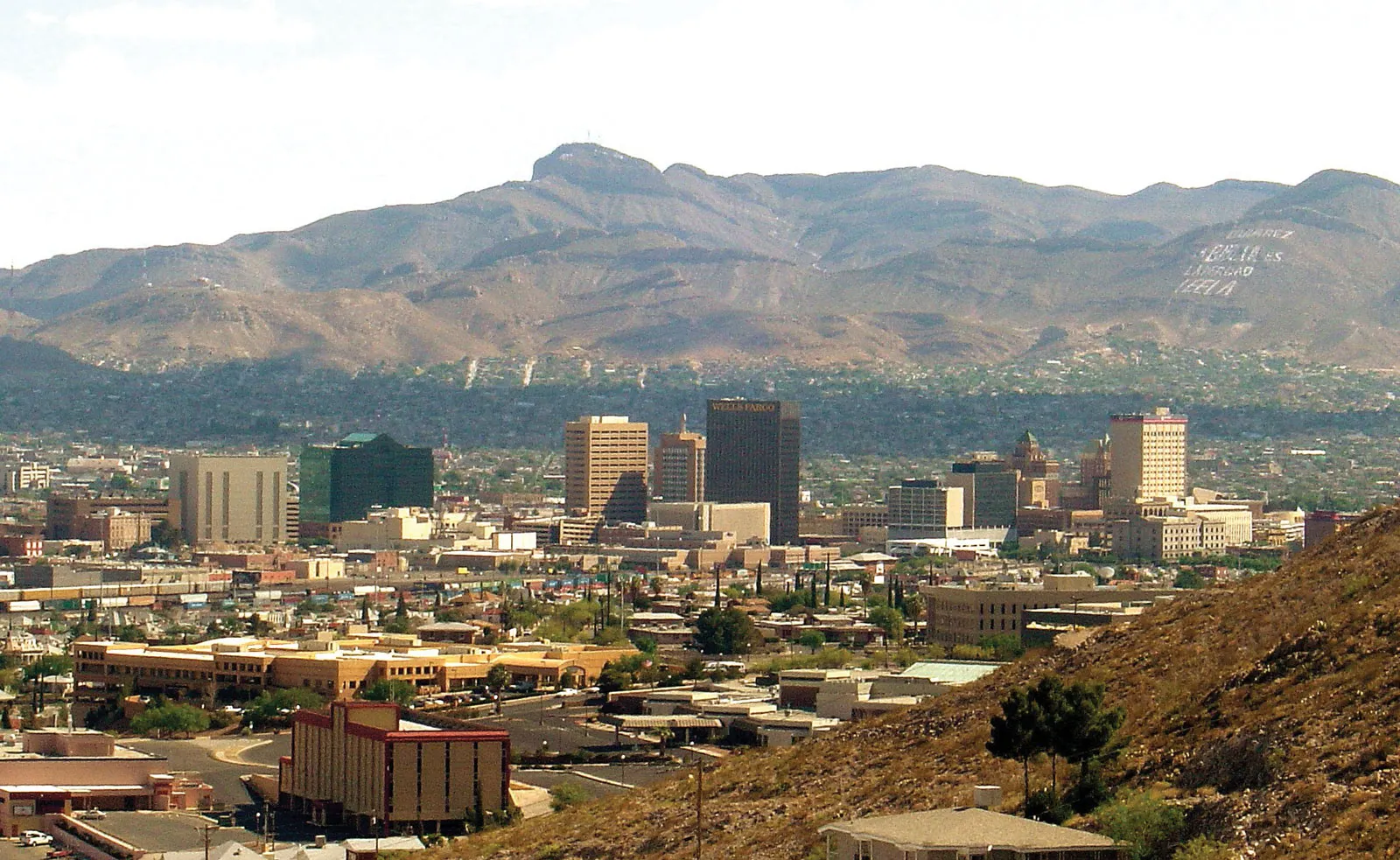
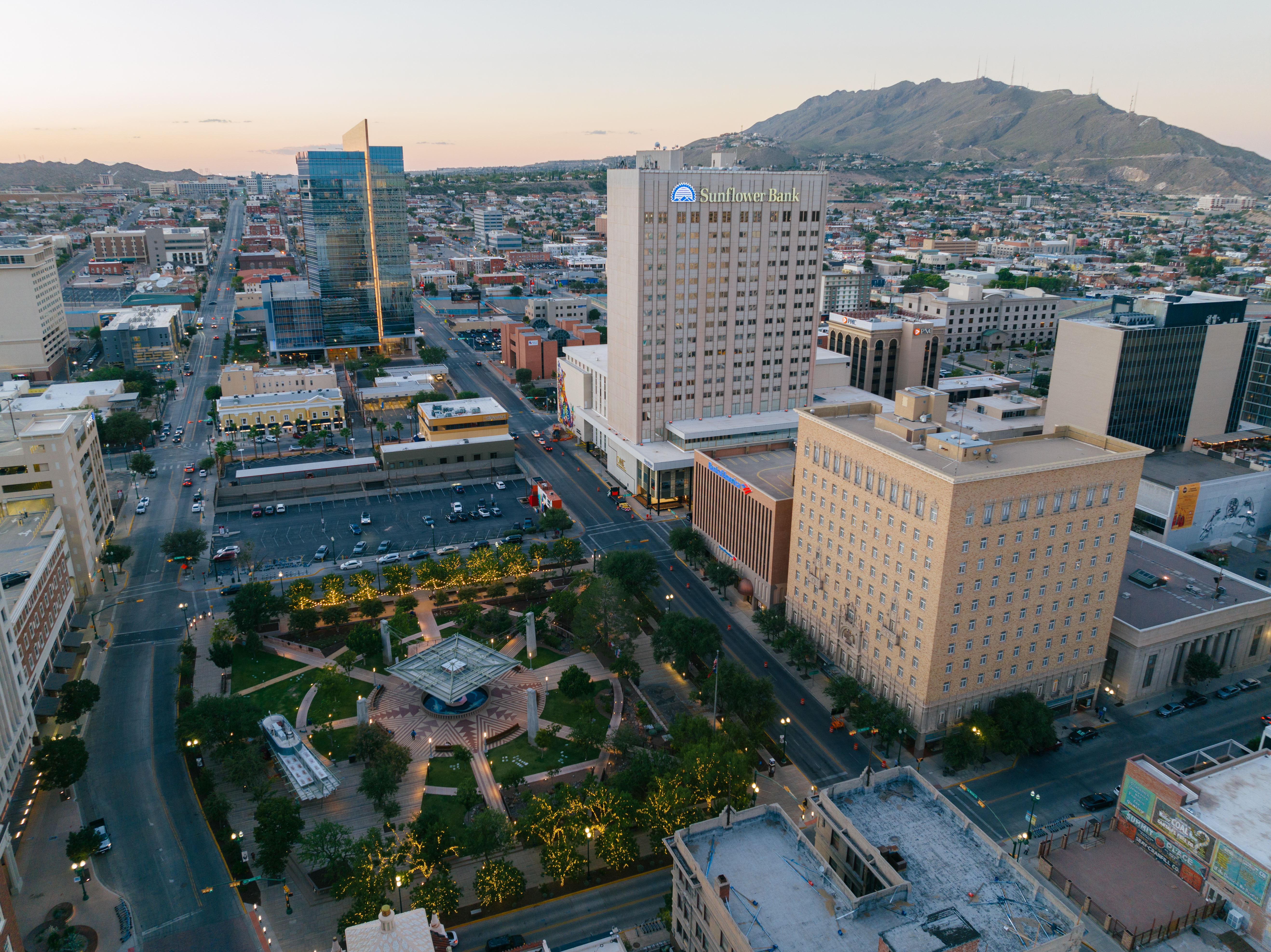
El Paso's healthcare stock spans outpatient clinics clustered near the hospital corridors along I-10, standalone dental and specialty suites on the west side, and older office buildings converted to urgent care or imaging use on the east side as Fort Bliss-adjacent neighborhoods have grown. Each carries a different buildout cost, a different tenant pool, and a different exit if the current occupant leaves.
An investor moving 1031 proceeds into this category is usually trading a simpler asset, a rental house or a small retail strip, for something with mechanical and plumbing systems tied to a specific practice. That trade only pencils if the buildout is reusable by another tenant, not only the current one.
Proximity to the major hospital systems still drives the strongest leasing activity, but it is not the only pull. Specialty practices have been spreading toward the east side to follow rooftops near Fort Bliss and the growing residential base out past the airport, while west side suites near Mesa Street tend to hold established, higher-credit tenants with longer lease histories. A replacement candidate two miles from a hospital campus is not automatically weaker than one across the street from it, but the reasoning has to be explicit, not assumed.
Lenders underwrite medical office differently than general commercial space, and that difference tends to surface later in the process than an investor expects, sometimes after a purchase contract is already signed. A lender reviewing a single-tenant clinic building will want to know what happens to debt service if that one tenant does not renew, and a thin answer here can slow or kill financing during the exchange window, not before it.
Getting a lender's informal read on a specific building before it goes on the identification list, rather than after an offer is accepted, avoids losing days to a financing conversation that should have happened earlier. This matters more in El Paso than in a market with a deeper bench of healthcare-focused lenders, since fewer local institutions specialize in this asset type.
The diligence list for medical office is longer than for a standard commercial building because so much value sits in fixtures that only work for one kind of tenant.
The failure mode here is not usually a bad building, it is a good building with a fragile tenant. An investor who identifies a medical office property inside the 45-day window without confirming lease durability can close into a vacancy risk that a residential or retail exchange would never have carried. Basis gets replaced, but income does not automatically follow, and a dark medical suite is one of the slower categories to re-lease in El Paso because the buildout narrows the tenant pool. Slowing down on this one category, even inside a tight identification window, is usually worth the risk it removes.