Reverse Exchange Coordination

Reverse Exchange Coordination

A reverse exchange exists for one situation: the replacement property is available now, and waiting for the START EXCHANGE REVIEW to close first would mean losing it. That solves a real problem, but it introduces a structure most investors have never dealt with before, and getting the sequence wrong can be more costly than simply missing the deal.

How the Structure Actually Works

Since an investor cannot hold title to both the relinquished and replacement properties at once and still complete a valid exchange, a reverse exchange uses an exchange accommodation titleholder, a separate entity that takes and holds title to whichever property is out of sequence, usually the replacement, until the relinquished property sells. That parked property then transfers to the investor once the START EXCHANGE REVIEW closes, completing the exchange in reverse order from a standard forward transaction.

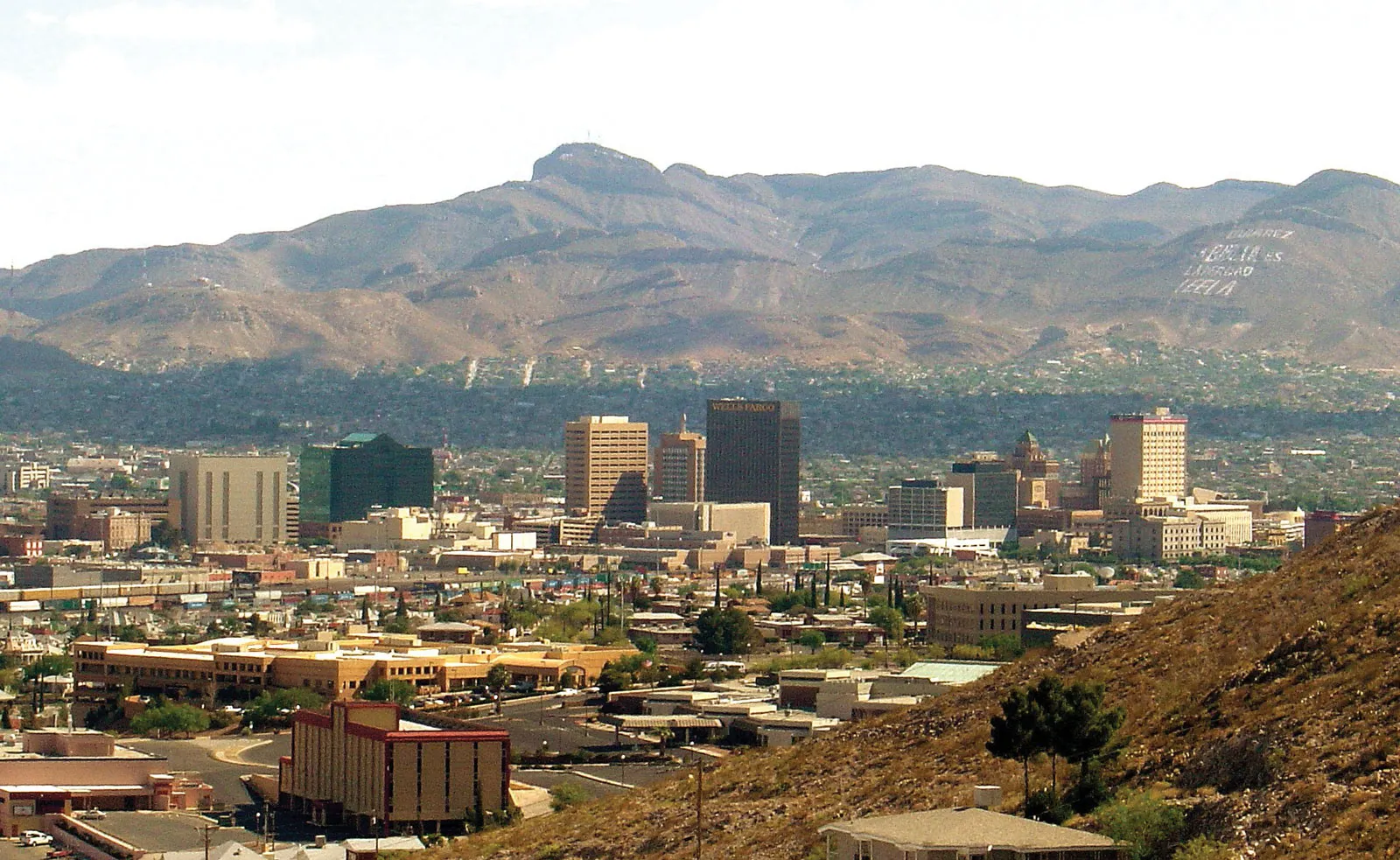
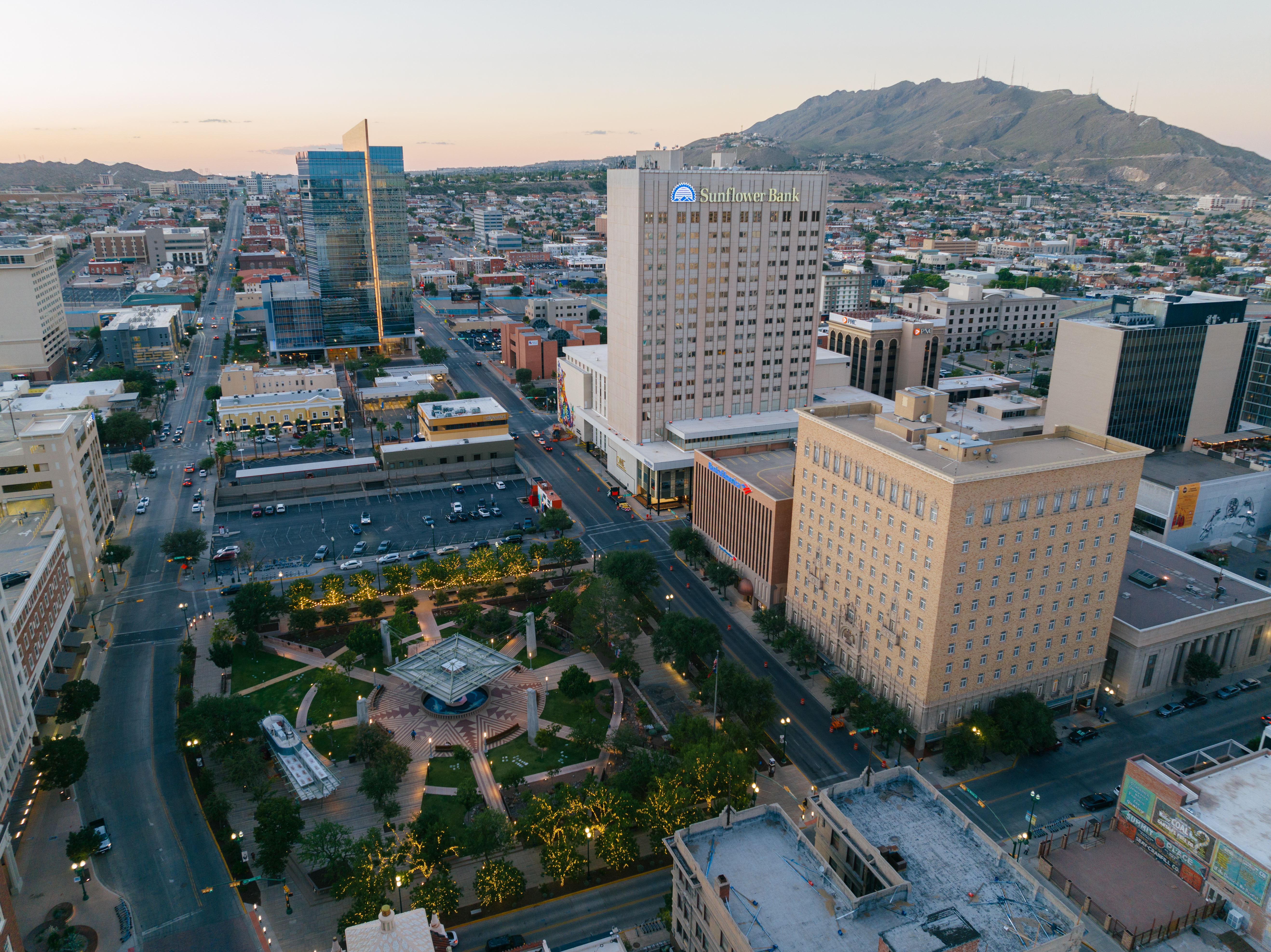
When This Comes Up in the El Paso Market

Reverse exchanges tend to surface when a specific asset, an industrial building along the I-10 corridor, a medical office suite, or a well-positioned net lease property, comes to market on a timeline the investor cannot control. Waiting for the current property to sell first would mean losing the opportunity entirely, so the reverse structure lets the investor act now and sort the sale sequence afterward, at real cost and complexity.

Weighing the Cost Against the Opportunity

A reverse exchange is more expensive than a standard exchange, between the titleholder entity's fees, the financing premium some lenders attach to a parked-title structure, and the added legal work to document everything correctly. That cost only makes sense when the replacement property is genuinely hard to replicate, not simply the first option an investor happened to see. Before committing to the structure, it is worth asking honestly whether a slightly less ideal property, available on a normal forward timeline, would achieve most of the same investment goal at a fraction of the complexity.

What Has to Be Arranged Before Closing

A reverse exchange requires more upfront coordination than a standard forward exchange because financing and title questions have to be resolved before, not after, the parked property closes.

  • Exchange accommodation titleholder entity set up before the parking closing
  • Financing arranged for a property the lender knows will sit in a titleholder entity
  • Legal and QI review of the parking arrangement before funds move
  • A realistic sale plan and timeline for the relinquished property
  • Title and insurance coordination for the eventual transfer to the investor

The Cost of Getting the Sequence Wrong

A reverse exchange is unforgiving of loose planning. If the relinquished property does not sell within the exchange period, or if the titleholder arrangement was not properly documented before the parked closing, the investor can end up owning the replacement property outright with a fully taxable transaction and none of the deferral they structured the deal to get. This is not a structure to back into after the fact, it needs legal and QI involvement before the first dollar moves toward the parked property, and that involvement needs to start weeks before the replacement closing, not the week of it.

Start Your Exchange Review

Bring the sale facts, timing, and replacement priorities into one working conversation.