Industrial Real Estate Investment

Industrial Real Estate Investment

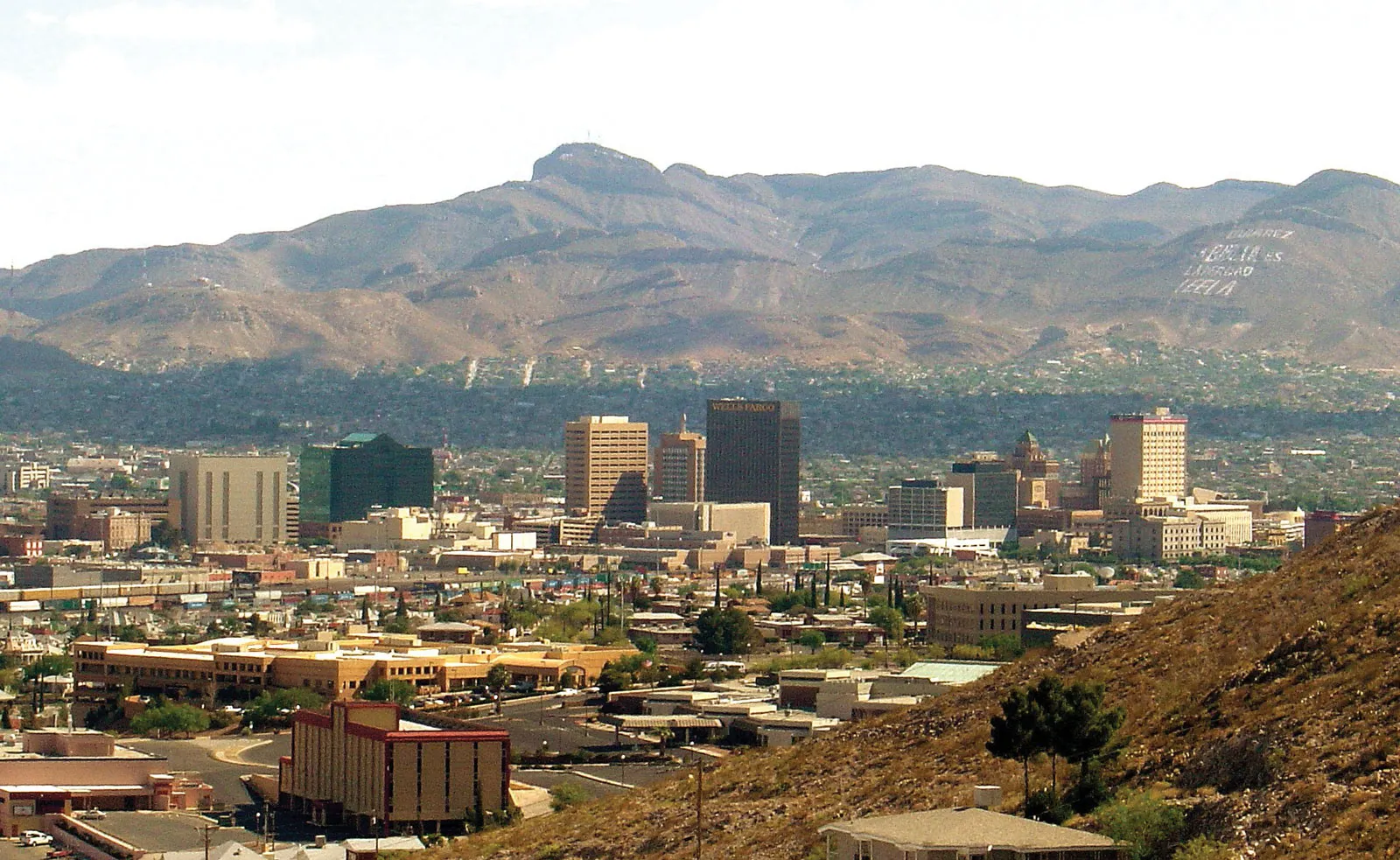
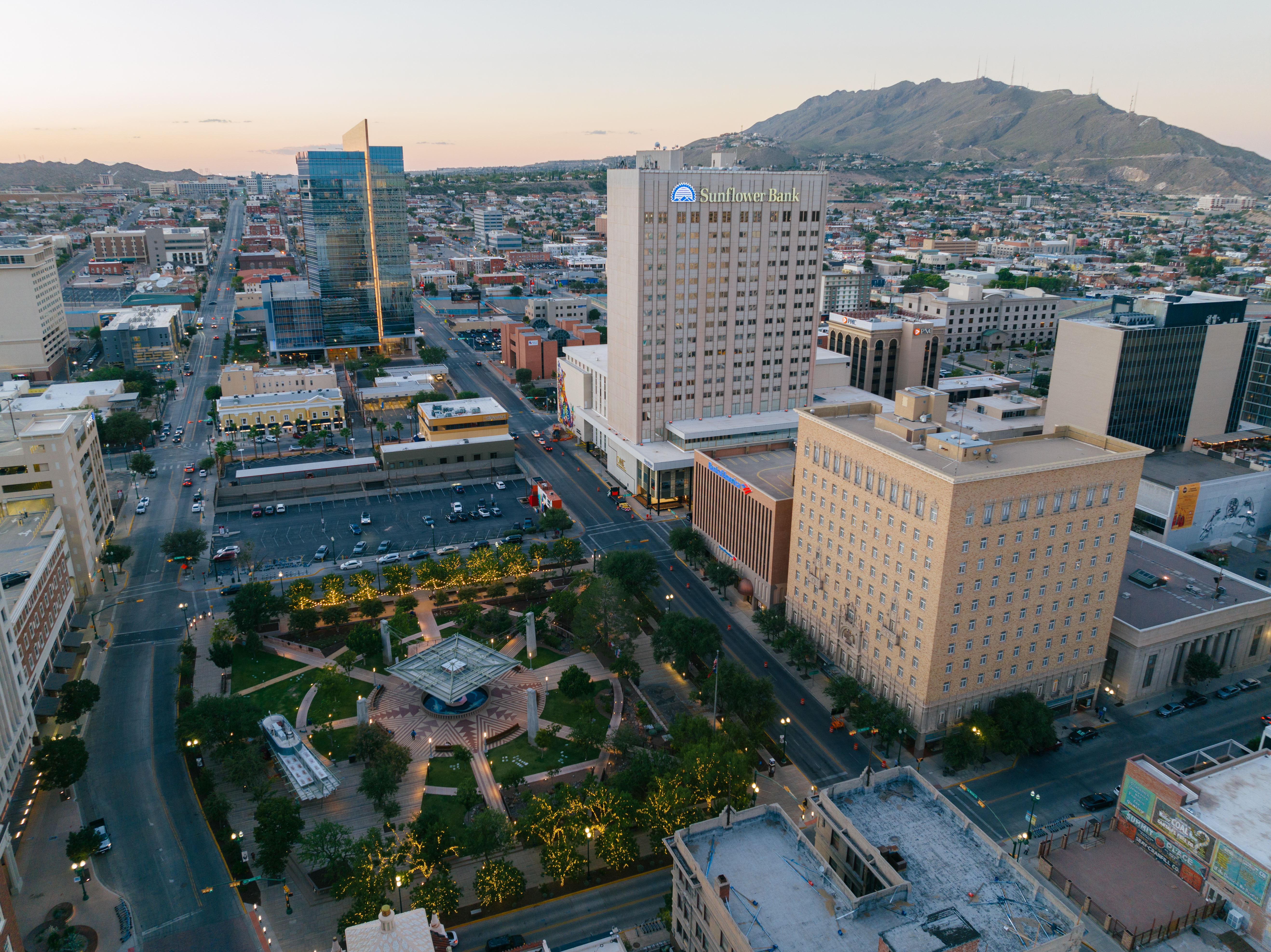
Industrial real estate investment, warehouse and distribution space specifically, has moved from a niche institutional allocation to one of the most actively pursued property types over the past decade, driven largely by e-commerce logistics demand. El Paso sits inside that trend directly, its position on the border and along major freight corridors like I-10 makes it a genuine cross-border distribution hub, not just a regional market riding a national wave.

The Physical Specs That Actually Drive Value

Clear height, the vertical distance from floor to the lowest ceiling obstruction, matters more to modern industrial tenants than almost any other spec, since taller buildings allow more racking density per square foot of land. A building with 24-foot clear height competes for a narrower set of tenants than one built to today's 32-to-36-foot standard, and retrofitting clear height is essentially impossible without full redevelopment. Dock door ratio, trailer parking capacity, and column spacing round out the specs that determine which tenants a building can realistically serve.

Power capacity has become a more frequent point of negotiation as automation and refrigeration needs have grown among logistics tenants. A building with limited electrical service can require a costly utility upgrade before certain tenants will sign, and that upgrade cost and timeline is worth confirming with the local utility before assuming a building is move-in ready for any distribution use.

Bulk Distribution Versus Last-Mile Versus Flex Space

  • Bulk distribution: large-footprint buildings, often 200,000+ square feet, built for regional or national distribution
  • Last-mile facilities: smaller buildings closer to dense population centers, optimized for final-stage delivery speed
  • Flex/light industrial: a blend of warehouse and office space, often serving local trades, light manufacturing, and small distributors
  • Cold storage: specialized, capital-intensive construction serving food and pharmaceutical logistics, generally the highest barrier to entry

Tenant Credit And Lease Structure

Industrial leases typically run longer than retail or office, often seven to fifteen years for a build-to-suit or larger distribution tenant, and most carry triple net structures similar to single-tenant retail. Tenant credit still varies enormously, a national logistics operator on a long-term lease is a very different risk profile than a regional manufacturer on a shorter term, even in the same building type, so lease term and guaranty strength deserve the same scrutiny here as they would in any net lease evaluation.

Cross-Border And Freight Corridor Factors In This Market

Proximity to the international bridges and the rail and trucking infrastructure serving maquiladora manufacturing on the Mexican side of the border gives El Paso industrial product a demand driver that many inland markets don't have. That said, cross-border logistics demand is sensitive to trade policy and tariff changes in a way that purely domestic distribution demand generally isn't, which is worth weighing against any long-run rent growth assumption baked into an underwriting model.

Tenant industry mix matters here too. A building leased to a maquiladora-supply distributor faces different demand drivers than one leased to a purely domestic e-commerce fulfillment operator, and a diversified rent roll across both types of tenant generally carries less concentrated policy risk than a building leaning heavily on a single cross-border industry.

Industrial Real Estate As 1031 Replacement Property

Warehouse and distribution buildings qualify as like-kind replacement property in a 1031 exchange, and the sector's combination of long leases, triple net structures, and sustained demand has made it one of the more sought-after replacement categories for exchange buyers exiting management-heavy assets. Availability of well-located, well-specced product hasn't kept pace with demand in many markets, so exchange investors working against the 45-day identification window often need to move faster and with a clearer specification list, clear height, dock count, trailer parking, than they would shopping other property types.

Frequently Asked Questions

Why does clear height matter so much in industrial real estate?

Taller clear height allows tenants to install more racking and store more inventory per square foot of land, so modern logistics tenants generally require 32 to 36 feet, and older buildings with lower clear height compete for a smaller tenant pool.

What's the difference between bulk distribution and last-mile industrial space?

Bulk distribution buildings are typically large, 200,000 square feet or more, serving regional or national logistics, while last-mile facilities are smaller and positioned closer to dense population centers to speed final delivery.

How long are typical industrial lease terms?

Industrial leases, particularly for larger distribution tenants or build-to-suit deals, commonly run seven to fifteen years, longer than typical retail or office lease terms.

Does El Paso's border location matter for industrial real estate demand?

Yes, proximity to international bridges and cross-border manufacturing supply chains gives El Paso industrial product a distinct demand driver, though that demand is also more exposed to trade policy shifts than purely domestic distribution markets.

Can warehouse property be used as 1031 exchange replacement property?

Yes, warehouse and distribution real estate held for investment qualifies as like-kind property under 1031 rules, and it's a commonly sought replacement category given its long lease terms and sustained tenant demand.
Start Your Exchange Review

Bring the sale facts, timing, and replacement priorities into one working conversation.